

 TR
TR ES
ES FR
FR AR
AR RU
RUHeart Health Center
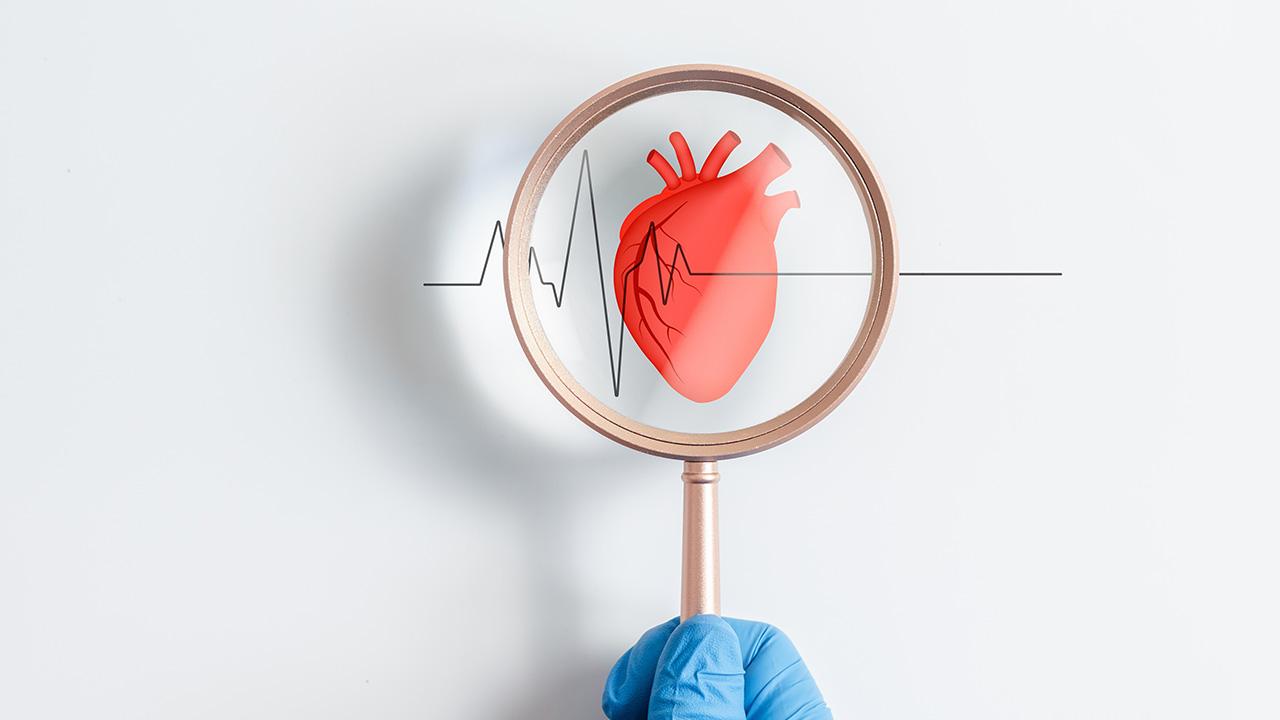
The Heart Health Center is a fully equipped health center established to ensure the accurate and early diagnosis of heart diseases and to successfully implement evidence-based innovative treatment methods.
As Biruni University Faculty of Medicine Hospital Heart and Vascular Health Center, we support our patients in the fight against each of these diseases using the most up‑to‑date knowledge and technology. At our center, diagnostic and treatment methods such as transcatheter aortic valve replacement (TAVI), CT angiography, Holter monitoring, coronary angiography, cardiac MRI, etc. are successfully performed.
What is the Heart Health Center?
Biruni University Faculty of Medicine Hospital Heart Health Center is a comprehensive healthcare institution that brings together specialized healthcare professionals, advanced technological equipment, and special treatment units focused on the prevention, diagnosis, treatment, and rehabilitation of heart and circulatory system diseases.
Our heart is the vital engine of our body and, together with our vascular system, forms the basis of our overall health and quality of life. However, heart and vascular diseases are among the most common health problems both worldwide and in our country and, unfortunately, rank among the leading causes of death.
Established to meet this need, our center allows heart health to be maintained at the highest level, potential diseases to be detected at an early stage, the most current and effective treatment methods based on scientific data to be applied with a personalized approach, and patients’ quality of life to be enhanced during the post‑treatment period.
Our Heart Health Center covers a wide range of services, from preventive medicine practices to detailed diagnostic tests, from drug therapies to interventional cardiology procedures and cardiovascular surgery operations. With a multidisciplinary approach, diagnostic methods such as echocardiography (ECHO), exercise stress testing, ECG, rhythm and blood pressure Holter monitoring are effectively used in our center.
In addition to basic diagnostic methods, modern interventional cardiology techniques such as angiography (coronary angiography), balloon angioplasty, and stent placement, as well as highly specialized cardiovascular surgical operations such as bypass surgery and heart valve surgery, are successfully performed at our center. Comprehensive services are also offered in specialized fields such as peripheral arterial diseases, aortic diseases, and congenital heart diseases.

What Are Cardiovascular Diseases?
The cardiovascular system is one of the most complex and vital systems in our body. The diseases affecting this system are quite diverse, and each has its own causes, symptoms, and treatment approaches. The most common cardiovascular diseases are:
- Coronary Artery Disease: A condition in which the arteries (coronary arteries) that feed our heart become narrowed or blocked due to the buildup of plaques formed by fat, cholesterol, and other substances. This prevents enough blood and oxygen from reaching the heart, potentially causing chest pain and, if untreated, a heart attack. Main symptoms include chest pain, shortness of breath, and easy fatigue.
- Heart Attack (Myocardial Infarction): A serious, life‑threatening condition that occurs when one of the coronary arteries suddenly and completely becomes blocked, causing the heart muscle region fed by that artery to suffer permanent damage or death due to lack of oxygen. Typical symptoms include pain starting in the chest and radiating to the left arm, jaw, or back, cold sweating, nausea, and shortness of breath.
- Heart Failure: A condition in which the heart cannot effectively pump enough blood to meet the needs of the body’s tissues and organs. It usually develops as a result of another underlying heart disease and can follow a chronic, progressive course. The most common symptoms are shortness of breath, swelling in the legs and ankles, excessive fatigue, and palpitations.
- Arrhythmias (Heart Rhythm Disorders): Irregular heartbeats that are faster (tachycardia), slower (bradycardia), or irregular. The disorder arises from a problem in the heart’s electrical system. Symptoms may include palpitations, dizziness, lightheadedness, fainting, chest discomfort, and shortness of breath.
- Heart Valve Diseases: Our heart has four valves (aortic, mitral, tricuspid, and pulmonary) that ensure blood flows in the right direction. Heart valve disease occurs when one or more of these valves become structurally damaged, causing narrowing (stenosis) or improper closure leading to backward leakage (regurgitation). This hampers blood flow and puts extra strain on the heart. Symptoms include shortness of breath, easy fatigue, palpitations, chest pain, and swelling in the legs.
- Aortic Diseases (Aortic Aneurysm and Dissection): The aorta is the main artery that carries oxygenated blood from the heart to the entire body. Weakening of the vessel wall can cause a localized abnormal widening known as an aortic aneurysm. Aortic dissection is a tear in the inner layer of the aortic wall, allowing blood to flow between the layers and separate the vessel along its length.
- Congenital Heart Diseases: Structural abnormalities of the heart present from birth. Some congenital heart diseases are treated in childhood, while others may be diagnosed in adulthood or require long‑term follow‑up after treatment.
- Pericardial Diseases (Pericarditis, etc.): Inflammation of the pericardium, the double‑layered sac surrounding the heart, is called pericarditis. It usually develops due to viral infections. The most typical symptom is sharp chest pain that increases with breathing and when lying down but decreases when leaning forward. Fever and fatigue may also accompany.
- Cardiomyopathies (Heart Muscle Diseases): Progressive diseases that affect the structure and/or function of the heart muscle. They include different types such as dilated, hypertrophic, and restrictive. They can lead to problems like heart failure and arrhythmias.
What Causes Cardiovascular Diseases?
Cardiovascular diseases rarely have a single cause; they usually develop from a complex interaction of multiple factors. Some of these factors are unchangeable, but a significant portion are directly related to our lifestyle choices and can be controlled. Risk factors that increase the likelihood of developing cardiovascular diseases include:
- Advanced age
- Obesity
- Physical inactivity
- Sleep apnea
- Genetic predisposition
- Smoking
- Excessive alcohol consumption
- Unhealthy diet
- Diabetes mellitus
- High cholesterol (dyslipidemia)
- High blood pressure (hypertension)
In the management of heart health, rather than focusing on a single risk factor, it is of great importance to evaluate and manage the individual’s entire risk profile with a holistic approach.
What Are the Methods for Preventing Heart Disease?
Although cardiovascular diseases are serious, life‑threatening health problems, scientific studies have proven that a large portion of them are preventable. Making healthy lifestyle choices and not neglecting regular health check‑ups are the most important steps to take for prevention. Effective methods for preventing heart disease include:
- Develop coping strategies for stress.
- Avoid tobacco products completely.
- Avoid alcohol consumption as much as possible.
- Pay attention to a healthy and balanced diet.
- Try to adopt an active lifestyle.
- Do not neglect regular cardiology check‑ups.
Protecting heart health is not a single miracle solution but a multi‑dimensional approach that requires conscious and continuous effort in many areas of life. It is a set of healthy habits that must be maintained not only for a certain period but for a lifetime. As Biruni Heart Health Center, we not only offer treatment when disease occurs but also guide our patients in lifelong prevention strategies and support them on this path.
What Tests Are Offered at Our Heart Health Center?
The first and most important step for effective treatment of cardiovascular diseases is making an accurate diagnosis. A correct diagnosis clearly reveals the type, stage, and severity of the disease, allowing the creation of a personalized, optimal treatment plan. The main methods used in the diagnosis of heart diseases at our center are:
- Blood tests
- Cardiac MRI
- CT angiography
- Coronary angiography
- Exercise stress test
- Echocardiography (ECHO)
- Rhythm and blood pressure Holter monitoring
- Electrocardiography (ECG)
- Myocardial perfusion scintigraphy
Using advanced technology devices in the accurate and early diagnosis of heart diseases not only increases diagnostic accuracy but also allows more widespread use of non‑invasive methods, significantly enhancing patient comfort.
The diagnosis of heart diseases is usually not made with a single test. Often, a stepwise approach is followed, starting with simple and minimally invasive tests based on the patient’s complaints and initial examination findings, and progressing to more complex and invasive methods if necessary according to the results obtained.
What Treatments Are Offered at Our Heart Health Center?
In recent years, revolutionary advances have been made in the treatment of cardiovascular diseases thanks to science and technology. Today, many heart diseases can be treated with less invasive and more effective methods tailored to the individual. The main treatment methods applied at our Heart Health Center are:
Drug Therapy
Drug therapy is the first and basic step in the treatment of hypertension, coronary artery disease, heart failure, arrhythmias, and high cholesterol. The drugs used vary according to the type and severity of the disease. The following medications may be used in treatment:
- Medications to relieve chest pain
- Medications to regulate heart rhythm
- Medications to lower blood pressure
- Medications to increase the contractile strength of the heart muscle
- Medications to lower cholesterol and triglyceride levels
- Medications to prevent clot formation by thinning the blood
- Interventional Cardiology Methods
These methods are less invasive treatments usually performed through the vessels using special instruments called catheters (thin, flexible tubes) without the need for open surgery. Interventional cardiology has developed rapidly in recent years and has become an important part of the treatment of many heart diseases. The main interventional cardiology methods are:
- Coronary Angioplasty and Stent Placement: Used to treat severe narrowing or blockages in the coronary arteries. The narrowed vessel is widened with a balloon (balloon angioplasty), and then a stent, usually a metal mesh, is placed to keep the vessel open.
- Pacemaker and ICD Implantation: A pacemaker regulates the rhythm when heartbeats are slow (bradycardia) or irregular. An ICD is an advanced device that detects life‑threatening fast and irregular rhythms and delivers a shock to restore normal rhythm. Both devices are placed under the skin under local anesthesia.
- Ablation Therapy: A method used for the definitive treatment of some types of arrhythmias. Abnormal electrical foci are identified through electrophysiological study (EPS) and then destroyed using radiofrequency (burning) or cryoenergy (freezing) via special catheters.
- Interventional Valve Therapies (TAVI, MitraClip, etc.): Applied to patients who are at high risk for or unsuitable for open‑heart valve surgery. TAVI involves placing an artificial aortic valve via catheter in severe aortic stenosis. In severe mitral regurgitation, MitraClip aims to reduce the leak. Both procedures are minimally invasive and enable non‑surgical valve replacement.
- Closure of Congenital Heart Defects: Some congenital heart defects, such as ASD, VSD, and PDA, can be closed without surgery in suitable cases by placing special closure devices via catheter.
- Peripheral Vascular Interventions: Angioplasty and stent methods are also used to treat narrowing or blockages in arteries outside the heart.
Cardiovascular Surgical Methods
For some cardiovascular diseases, especially when interventional methods are insufficient, surgical intervention may be required. Cardiovascular surgery can be performed through open‑heart surgery or minimally invasive techniques with smaller incisions.
- Bypass Surgery: Applied to treat widespread or critical narrowings in the coronary arteries. Healthy vessel segments (grafts) taken from another part of the body are sewn beyond the blocked coronary artery to restore blood flow. The surgery takes about 3‑6 hours, and the hospital stay is usually 5‑7 days.
- Heart Valve Surgery (Repair or Replacement): Performed to correct valve function in cases of severe stenosis or regurgitation. Whenever possible, the patient’s own valve is repaired, which offers better long‑term outcomes and may reduce the need for blood thinners. If the valve is not suitable for repair, an artificial valve is implanted.
- Aortic Surgeries (Aortic Aneurysm and Dissection): Surgery may be necessary to treat life‑threatening conditions such as aortic aneurysm (ballooning) or aortic dissection (tear). The diseased portion of the aorta is removed and replaced with a synthetic graft. In suitable patients, EVAR‑TEVAR methods allow placement of a stent‑graft via the groin, offering an alternative to open surgery.
As Biruni Heart and Vascular Health Center, we are always by your side to protect and improve your heart health with our expert staff, advanced technology, and patient‑oriented service understanding.
Frequently Asked Questions
What is Angiography and What Are Its Risks?
Coronary angiography (angio) is a procedure in which the heart vessels are visualized under X‑rays after administering a special dye (contrast agent). This allows detection of vessel narrowing and blockages. Although generally a low‑risk procedure, like any medical intervention, it may involve rare risks such as bleeding, allergic reactions, or vessel damage.
How Can I Reduce My Risk of Heart Attack?
Heart‑healthy nutrition, regular physical activity, quitting smoking, maintaining an ideal weight, and managing stress can reduce the risk of a heart attack. Additionally, if you have existing health conditions such as high blood pressure, high cholesterol, or diabetes, regular medical follow‑up and treatment can significantly reduce these risks.
What is an Arrhythmia (Heart Rhythm Disorder)?
Arrhythmia is a condition in which the heart beats faster, slower, or irregularly than normal.
How Long Does Recovery Take After Bypass Surgery?
The hospital stay after coronary bypass surgery is usually between 4 and 6 days. The full recovery and return to normal daily activities varies from person to person but may take an average of 6 to 12 weeks.
What Types of Valves Are Used in Heart Valve Surgery?
Two main types of artificial valves are used in heart valve surgery: mechanical valves and biological (bioprosthetic) valves. Mechanical valves are very durable but require lifelong use of blood‑thinning medication. Biological valves have a more limited lifespan (average 10‑20 years) but generally do not require long‑term blood‑thinning medication.
Can an Aortic Aneurysm Grow Without Symptoms? Who Is at Risk?
Yes, an aortic aneurysm usually grows slowly and may not cause symptoms for a long time, which is why it is also known as a "silent threat." The risk of rupture is life‑threatening. Advanced age, smoking, high blood pressure, family history of aneurysm, and certain genetic diseases are the main risk factors.
What is a Stent and Why Is It Placed in the Heart?
A stent is a small, mesh‑like tube, usually made of metal, used to open narrowings or blockages in the heart vessels and prevent the vessel from narrowing again. It is placed in the narrowed area during angioplasty to ensure healthy blood flow to the heart.
Do Cold Weathers Negatively Affect Heart Health?
Yes, cold weather can negatively affect heart health, especially for people with known heart disease, heart failure, or older adults, and may increase the risk of a heart attack. Cold weather can cause blood vessels to constrict and increase the heart’s workload.
Unit Doctors
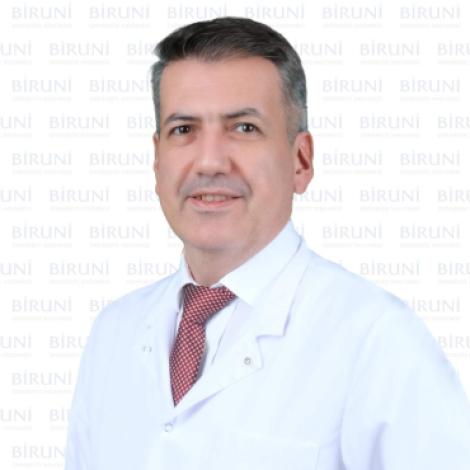
Prof. Dr. Cüneyt KOÇAŞ
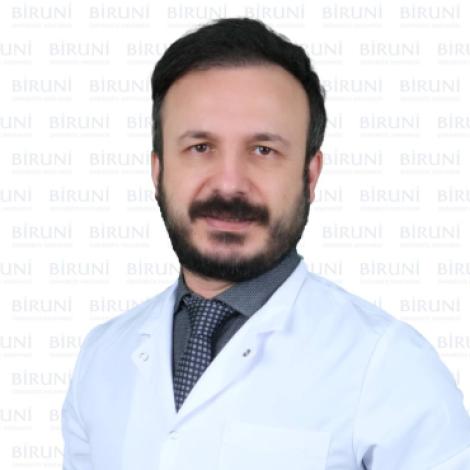
Prof. Dr. Okay ABACI
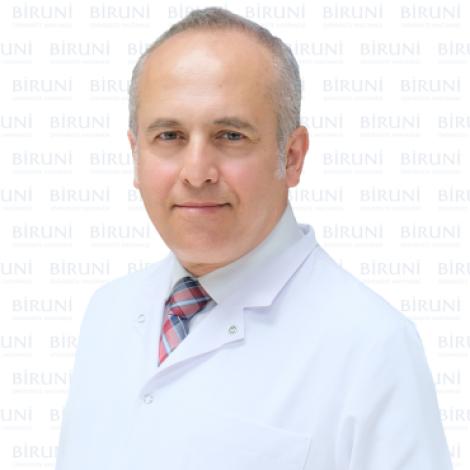
Prof. Dr. Uğursay KIZILTEPE
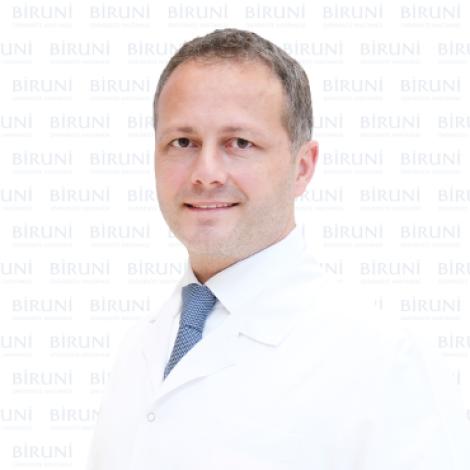
Assoc. Prof. Dr. Muhammed BAYRAM

Assoc. Prof. Dr. Savaş SARIKAYA
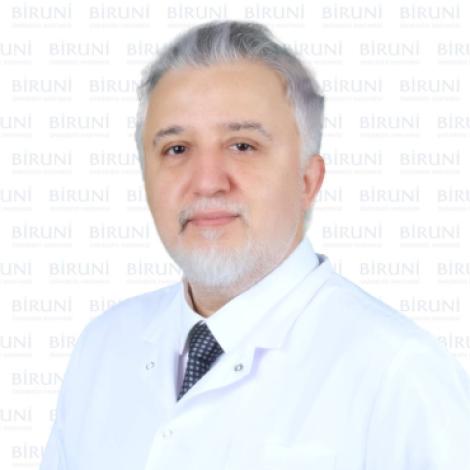
Assoc. Prof. Emrah ÖZDEMİR
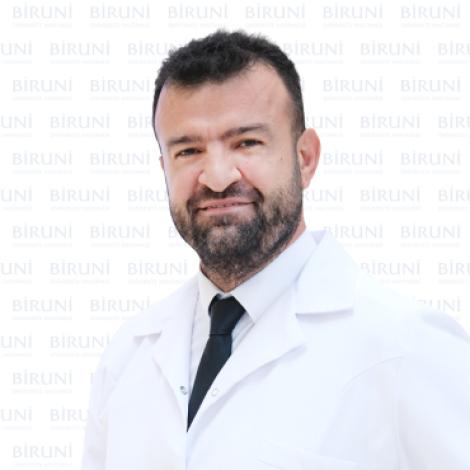
Spec. Dr. Servet BATIT
