 TR
TR ES
ES FR
FR AR
AR RU
RUOncology Center
Biruni University Faculty of Medicine Hospital Oncology Center is a multidisciplinary center offering advanced diagnostic and treatment methods for cancer patients. Our center stands by you in your fight against cancer with experienced healthcare professionals and innovative diagnostic and treatment methods such as Pet CT and Lutetium-177 PSMA.
At our center, where personalized treatment plans are provided, we support you throughout the entire treatment process and aim to enhance your quality of life. With our patient-focused and multidisciplinary approach, we aim to be your greatest supporter in your fight against cancer. In this context,
What is an Oncology Center?
Oncology is the branch of medicine that deals with the diagnosis, treatment, and follow-up of cancer diseases. Cancer refers to diseases caused by the uncontrolled proliferation of cells in the body. Oncology centers, which specialize in the treatment of these diseases, offer comprehensive and personalized services to cancer patients.
Working with a multidisciplinary approach, these centers bring together healthcare professionals from various specialties, such as doctors, nurses, dietitians, psychologists, and social workers, to provide holistic care tailored to the needs of patients.
Which Departments Serve at Our Oncology Center?
The Biruni University Faculty of Medicine Hospital Oncology Center consists of specialized departments for different cancer types and patient needs. These departments are:
Radiation Oncology
Radiation Oncology is a medical specialty that uses high-energy rays to destroy cancer cells or halt their growth. In this unit, radiotherapy is applied, which damages the DNA of cancer cells, preventing their proliferation or leading to cell death.
In our Radiation Oncology department, radiotherapy is performed using the Elekta Versa HD device. This device allows us to offer high precision, shorter treatment durations, fewer side effects, and specialized treatment options for moving tumors.
Medical Oncology
Medical oncology is a department that uses drugs (chemotherapy, immunotherapy, targeted therapy, etc.) in cancer treatment. Chemotherapy is a drug therapy used to kill cancer cells or slow their growth. Immunotherapy is a treatment method that strengthens the body's immune system to fight cancer. Targeted therapy, on the other hand, blocks specific targets in cancer cells using drugs, preventing the growth and spread of cancer cells.
In our Medical Oncology department, appropriate drug treatment protocols tailored to your needs are determined and administered by our experienced medical oncologists. Personalized treatment approaches are developed by considering genetic and molecular characteristics.
Gynecologic Oncology
Gynecologic Oncology is a specialized department focused on the diagnosis and treatment of cancers of the female reproductive system (uterine cancer, ovarian cancer, etc.). Gynecological cancers such as uterine cancer, ovarian cancer, and breast cancer are among the common cancer types in women.
In this unit, our specialized gynecologic oncologists provide services in early diagnosis, surgical treatment, chemotherapy, and radiotherapy for these cancers. Using minimally invasive methods such as laparoscopic and robotic surgery, we accelerate your post-operative recovery process and reduce the risk of complications.
Pediatric Oncology
Pediatric Oncology is a specialized department focused on the diagnosis and treatment of childhood cancers. Childhood cancers have different characteristics from adult cancers, and their treatments also differ. In our department, specialists such as pediatric oncologists, pediatric nurses, and psychologists experienced in childhood cancers provide special care tailored to the needs of children and their families.
Nuclear Medicine
Nuclear Medicine is a department that uses radioactive substances in cancer diagnosis and treatment. These radioactive methods are used to detect the spread of cancer cells in the body, visualize cancerous tissues, and treat certain types of cancer.
In our unit, we provide diagnostic and therapeutic services using advanced nuclear medicine methods such as PET-CT and SPECT-CT scans, and bone scintigraphy. These methods allow cancer to be detected at early stages, enabling faster initiation of treatment.
Which Diseases Does the Oncology Center Cover?
The Biruni University Faculty of Medicine Hospital Oncology Center provides diagnosis and treatment services for a wide range of cancer types. These cancer types include:
Lung Cancer
Lung cancer is a type of cancer that starts in the lung tissue and is often associated with smoking. Symptoms of lung cancer include cough, shortness of breath, chest pain, and coughing up blood.
Early diagnosis is critically important in lung cancer. Therefore, we recommend that you do not neglect your regular health screenings. According to a study conducted by the NLST in 2011, individuals who underwent regular lung screening showed a relative 20% reduction in lung cancer-specific mortality and a 7% reduction in all-cause mortality.
Colon Cancer
Colon cancer is a type of cancer that starts in the large intestine. Symptoms of colon cancer include changes in bowel habits, rectal bleeding, abdominal pain, and weight loss.
Rectal Cancer
Rectal cancer is a type of cancer that starts in the rectum, the final part of the large intestine. Symptoms of rectal cancer include rectal bleeding, changes in bowel habits, and blood or mucus in the stool.
Stomach Cancer
Stomach cancer is a type of cancer that starts in the stomach. Symptoms of stomach cancer include indigestion, nausea, vomiting, loss of appetite, and weight loss.
Pancreatic Cancer
Pancreatic cancer is a type of cancer that starts in the pancreas. Symptoms of pancreatic cancer include abdominal pain, back pain, jaundice, and weight loss.
Liver Cancer
Liver cancer is a type of cancer that starts in the liver. Symptoms of liver cancer include abdominal pain, jaundice, loss of appetite, and weight loss.
Skin Cancer (Melanoma and Other Types)
Skin cancer is a type of cancer that starts in skin cells. Melanoma, the most dangerous type of skin cancer, usually appears as a change in an existing mole or the formation of a new mole. Other types of skin cancer include basal cell carcinoma and squamous cell carcinoma.
Lymphoma
Lymphoma is a type of cancer that starts in the lymphatic system. Symptoms of lymphoma include swollen lymph nodes, fever, night sweats, and weight loss.
Leukemia
Leukemia is a type of cancer that starts in blood cells. Symptoms of leukemia include fatigue, weakness, fever, susceptibility to infections, and a tendency to bleed.
Gynecological Cancers
- Breast Cancer: Breast cancer is the most common cancer type in women. Symptoms include a lump in the breast, changes in the nipple, breast pain, and swollen lymph nodes under the arm.
- Uterine Cancer: Uterine cancer is a type of cancer that starts in the uterus. Symptoms include abnormal vaginal bleeding, pelvic pain, and vaginal discharge.
- Ovarian Cancer: Ovarian cancer is a type of cancer that starts in the ovaries. Ovarian cancer often does not cause symptoms in early stages; in advanced stages, symptoms like abdominal swelling, abdominal pain, and loss of appetite may appear.
- Cervical Cancer: Cervical cancer is a type of cancer that starts in the cervix. Symptoms include abnormal vaginal bleeding, bleeding after sexual intercourse, and pelvic pain.
A breast cancer lump takes 8-10 years to reach a palpable size. At our Oncology Center, with advanced screenings like PET-CT, we can detect cancer even when it is 4-5 mm in size.
Male Cancers
- Prostate Cancer: Prostate cancer is a type of cancer that starts in the prostate gland in men. Prostate cancer often grows slowly and may not cause symptoms in early stages. In advanced stages, symptoms such as difficulty urinating, bone pain, and weight loss may appear.
- Testicular Cancer: Testicular cancer is a type of cancer that starts in the testicles in men. Symptoms include swelling in the testicles, pain in the testicles, and hardness in the testicles.
What are the Symptoms of Cancer?
Cancer symptoms can vary depending on the type and stage of cancer. Common symptoms include:
- Unexplained weight loss
- Fatigue
- Fever
- Pain
- Skin changes
- Abnormal bleeding or discharge
- Cough or hoarseness
- Difficulty swallowing
- Changes in bowel or bladder habits
- A lump or swelling in the body
If you notice any of these symptoms, it is important to consult a doctor without delay. Early diagnosis increases the chance of success in cancer treatment.
What Diagnostic Methods are Applied at the Oncology Center?
Our Oncology Center uses various methods for cancer diagnosis. These include:
- Physical examination: A detailed physical examination by your doctor is important for evaluating signs of cancer and identifying potential cancer types. Your doctor will inquire about your medical history, physically examine you, and order further tests if deemed necessary.
- Imaging tests: Imaging tests such as X-rays, CT scans, MRI, and PET scans are used to visualize internal body structures and detect cancerous tissues. These tests help determine the location, size, and spread of the cancer.
- Biopsy: Taking a sample from the suspicious tissue and examining it under a microscope is the most definitive method for cancer diagnosis. A biopsy can be performed using different methods such as fine-needle aspiration biopsy, endoscopic biopsy, or surgical biopsy.
- Blood tests: Tests to check cancer markers and other blood values can be helpful in cancer diagnosis and monitoring. Some cancer types cause elevated levels of certain substances in the blood, known as tumor markers.
- Endoscopy: A method used to examine internal organs, endoscopy is frequently used in the diagnosis of digestive system cancers. Endoscopy involves inserting a thin, flexible tube with a camera into the body.
What Treatment Methods are Applied at the Oncology Center?
Our Oncology Center utilizes the latest technologies and treatment methods for cancer therapy. These methods include:
- Surgery: Surgical removal of cancerous tissue is a primary treatment method for many cancer types. Surgery is most effective when cancer is detected at early stages and is localized.
- Radiotherapy: Using high-energy rays to destroy cancer cells is a commonly used method in cancer treatment. Radiotherapy can be administered externally or internally (brachytherapy).
- Chemotherapy: Using drugs to kill cancer cells is an effective method for treating many common cancer types. Chemotherapy can be administered orally, intravenously, or intramuscularly.
- Immunotherapy: A treatment method that strengthens the body's immune system to fight cancer, immunotherapy has gained significant importance in cancer treatment in recent years. It aims to destroy cancer cells using the body's own defense mechanisms.
- Targeted Therapy (Smart Drug Therapy): Using drugs that block specific targets in cancer cells helps prevent the growth and spread of cancer cells. Targeted therapy provides effective treatment with fewer side effects by targeting specific molecules in cancer cells.
- Hormone Therapy: Used in the treatment of hormone-sensitive cancers, hormone therapy helps control the growth of cancer cells. It slows or stops the growth of cancer cells by reducing hormone production or blocking the effects of hormones.
Why Choose Biruni Oncology Center?
Located within walking distance of the Sefaköy Metrobus Station in Küçükçekmece, Istanbul, our Oncology Center is equipped to provide you with the best care in cancer treatment:
- Experienced Team: Our Oncology Center has a multidisciplinary team of expert and experienced oncologists, surgeons, nurses, radiotherapy technicians, dietitians, and psychologists.
- Advanced Technology: Our center uses the latest technologies in cancer diagnosis and treatment. Advanced imaging devices, radiotherapy equipment, and laboratory instruments ensure the most accurate diagnosis and most effective treatment.
- Patient-Focused Approach: We know that every patient is unique. Therefore, we create personalized treatment plans for each patient and provide support throughout the entire process.
- Research and Clinical Studies: Our Oncology Center actively participates in research and clinical studies to develop new and improved methods for cancer treatment. This allows us to offer innovative treatment options for your health.
Frequently Asked Questions
How Can I Make an Appointment at the Oncology Center?
You can call 444 8 276 to schedule an appointment at our Oncology Center. Our expert patient representatives will assist you in determining which department you should apply to.
How Long Does Cancer Treatment Take?
The duration of cancer treatment varies depending on the type and stage of cancer, the patient's general health condition, and the treatment methods used. Your doctor will provide you with detailed information about the treatment process.
What are the Side Effects of Cancer Treatment?
Side effects of cancer treatment vary depending on the treatment method applied. Common side effects include nausea, vomiting, hair loss, fatigue, and an increased risk of infection. Your doctor will inform you about side effects and methods to cope with them.
What is Life Like After Cancer Treatment?
Life after cancer treatment varies depending on the type and stage of cancer and the patient's general health condition. Regular check-ups and follow-ups are important in the post-treatment period. Your doctor will provide you with information about post-treatment life and assist you with support services you may need.
Unit Doctors
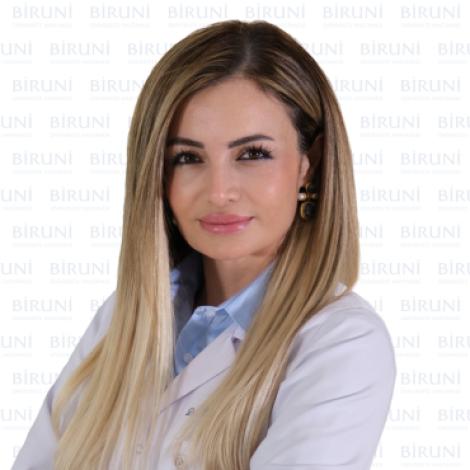
Prof. Dr. Burçak YILMAZ
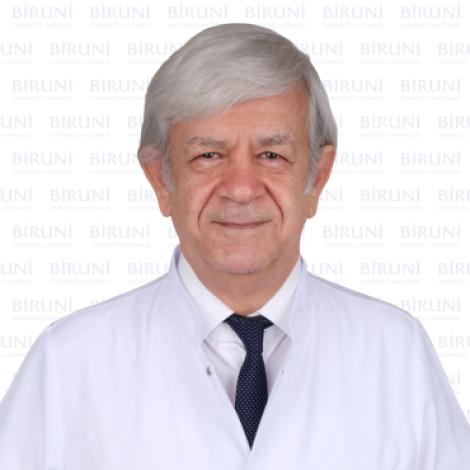
Prof. Dr. Metin GÜDEN
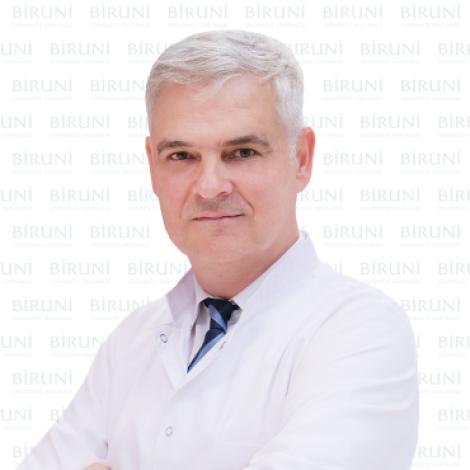
Prof. Dr. Özcan YILDIZ