 TR
 ES
 FR
 AR
 RU
6 Effective Ways to Prevent Sugar Cravings During Ramadan
One of the most common complaints during Ramadan is, “After iftar, I suddenly crave sweets and can’t control myself.” According to experts, this situation is usually not caused by a lack of willpower but by the body’s biochemical responses.
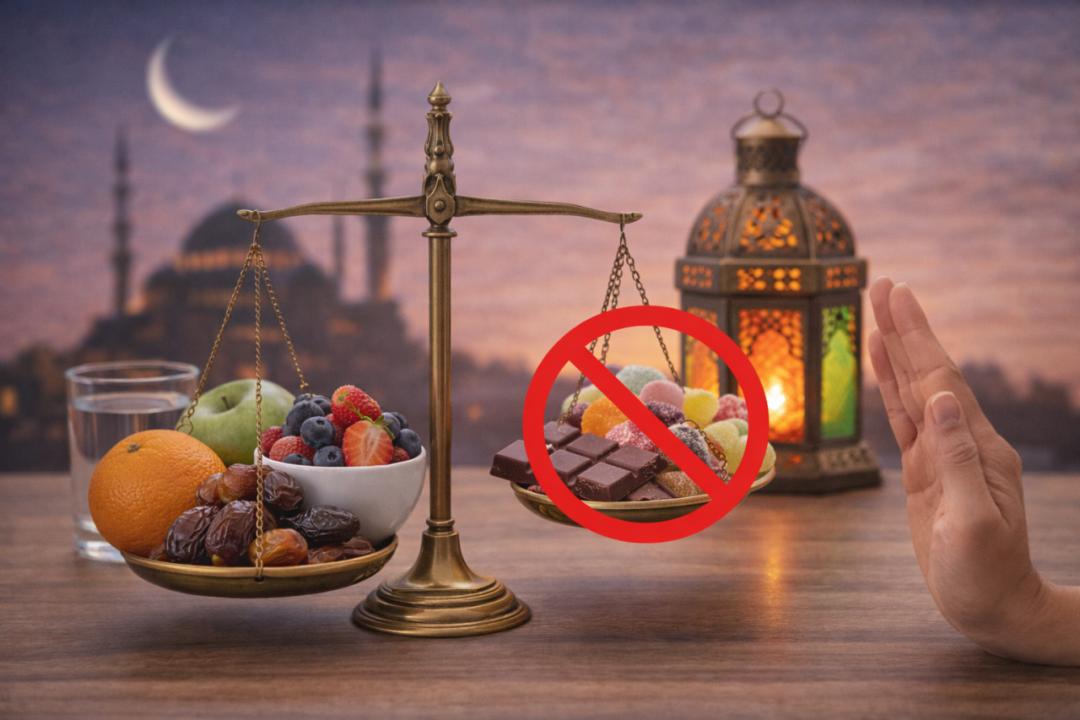
Blood Sugar Fluctuations Increase Sweet Cravings
After prolonged fasting throughout the day, consuming fast absorbing, high carbohydrate foods at iftar such as white bread, pide, rice, and syrup soaked desserts causes blood sugar levels to rise rapidly. In response, the pancreas releases a high amount of insulin. As blood sugar begins to drop quickly, the brain perceives this as a new hunger signal. As a result, a strong craving for sweets emerges. Experts state that this is a physiological mechanism and that in most cases the issue is not willpower but blood sugar regulation.
6 Keys to Controlling Sweet Cravings
- 1. Start Iftar in a Balanced Way
Beginning only with dates and soup may cause blood sugar to rise quickly. Adding foods containing protein and healthy fats, such as yogurt, cheese, or an olive oil based vegetable dish alongside soup, slows gastric emptying and provides a more balanced glycemic response. - 2. Do Not Make Pide the Main Meal
Since Ramadan pide contains refined flour, consuming it alone may lead to blood sugar fluctuations. Eating pide together with protein sources such as meat, chicken, fish, or legumes along with plenty of salad helps maintain metabolic balance. - 3. Do Not Eat Dessert Immediately After Iftar
Consuming dessert right after the main meal may cause a second sudden rise in blood sugar. Choosing dessert 1 to 2 hours after iftar, preferably as a small portion of a milk based dessert or fruit, is a more balanced approach. - 4. Choose Balanced Alternatives Instead of Syrup Soaked Desserts
Baked apples topped with walnuts and cinnamon, yogurt cocoa mixtures, dates combined with tahini and hazelnuts, or 1 to 2 squares of dark chocolate with at least 70 percent cocoa are more controlled options. These alternatives contain fiber, healthy fats, and protein, helping prevent sudden spikes in blood sugar. - 5. Consume Protein and Fiber at Sahur
Eating mainly carbohydrates at sahur may cause blood sugar to drop more rapidly during the day. A sahur meal including eggs, cheese, olive oil, avocado, walnuts, almonds, and plenty of greens provides more stable energy throughout the day and reduces post iftar sweet cravings. - 6. Do Not Confuse Thirst With Sweet Cravings
Mild dehydration can sometimes be perceived as a desire for sweets. Consuming an average of 2 to 2.5 liters of water gradually between iftar and sahur helps maintain metabolic balance and reduces unnecessary dessert consumption.
Share on Social Media
The development of this content was contributed by the Biruni University Hospital Board. The content of the page is for informational purposes only. The page content does not include elements intended for therapeutic health services. For diagnosis and treatment, please consult your physician.