
 TR
 ES
 FR
 AR
 RU
The Silent Threat: Fatty Liver Disease
Experts warn that subtle changes in daily life that often go unnoticed may be early signs of serious liver disease. Dark, black, or tar-like stools noticed during bathroom use may be an early warning sign of fatty liver and impaired liver function.
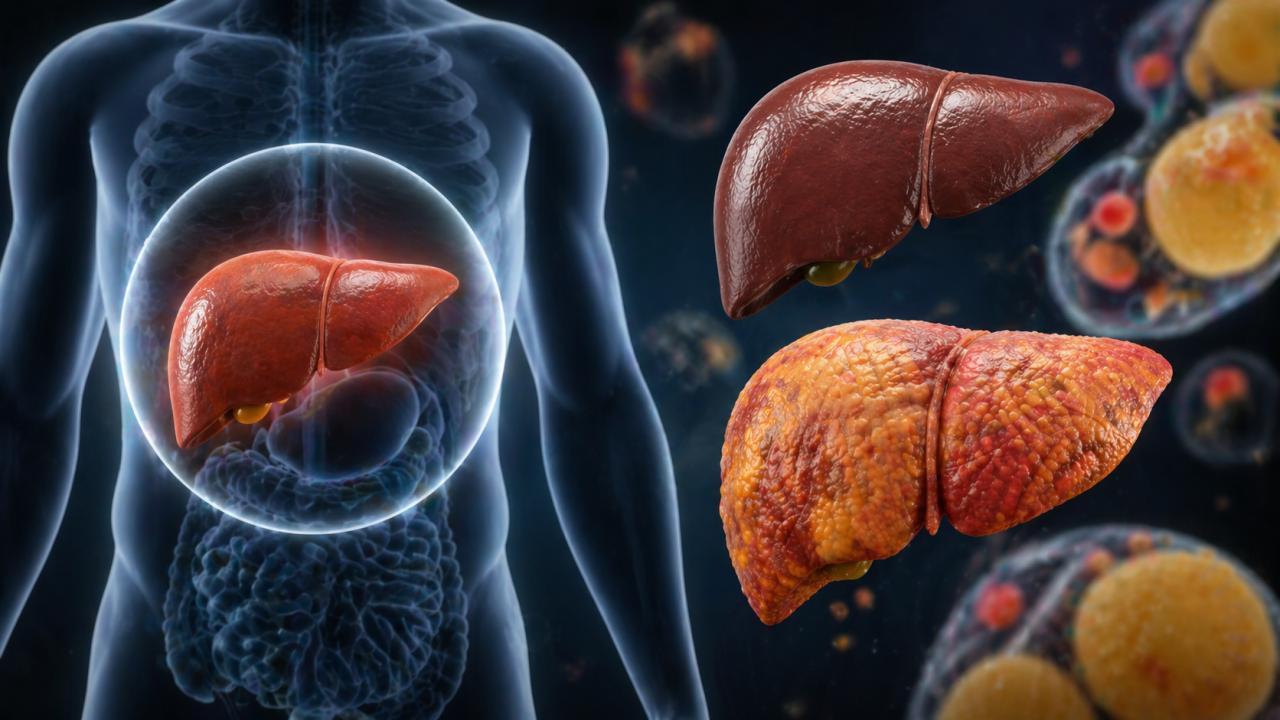
A Disease That Progresses Without Symptoms
Fatty liver disease is generally known as a condition that progresses silently without showing any symptoms for a long time. However, during this process, fat accumulating in liver cells can eventually lead to inflammation and then to liver damage.
Symptoms of Fatty Liver Disease:
- Persistent fatigue or weakness
- Discomfort in the upper right abdomen
- Yellowing of the eyes and skin (jaundice)
- Easy bruising
- Dark colored urine
- Abdominal swelling (ascites)
- Vomiting blood
- Occasional confusion, forgetfulness, mood changes, or poor judgment
- Itchy skin
Causes and Risk Factors
The most common causes of fatty liver include poor dietary habits, obesity, a sedentary lifestyle, high cholesterol, insulin resistance, and alcohol consumption. In addition, chronic conditions such as type 2 diabetes and metabolic syndrome also increase the risk.
In recent years, the frequency of fatty liver disease has been increasing noticeably, especially among younger individuals.
Lifestyle Changes Are Essential
When detected at an early stage, fatty liver disease is a condition that can be completely reversed. Experts recommend performing liver enzyme tests every 6 months and regularly evaluating liver tissue with imaging methods such as ultrasound. During the treatment process, healthy nutrition, regular exercise, reducing alcohol consumption, and weight control are of great importance.
Share on Social Media
The development of this content was contributed by the Biruni University Hospital Board. The content of the page is for informational purposes only. The page content does not include elements intended for therapeutic health services. For diagnosis and treatment, please consult your physician.