 TR
 ES
 FR
 AR
 RU
Ways to Protect Oral and Dental Health During Ramadan
The change in eating habits during Ramadan affects not only the digestive system but also oral and dental health directly. Experts emphasize that prolonged fasting and dehydration throughout the day alter the balance inside the mouth and stress that oral care should not be neglected, especially during this period.
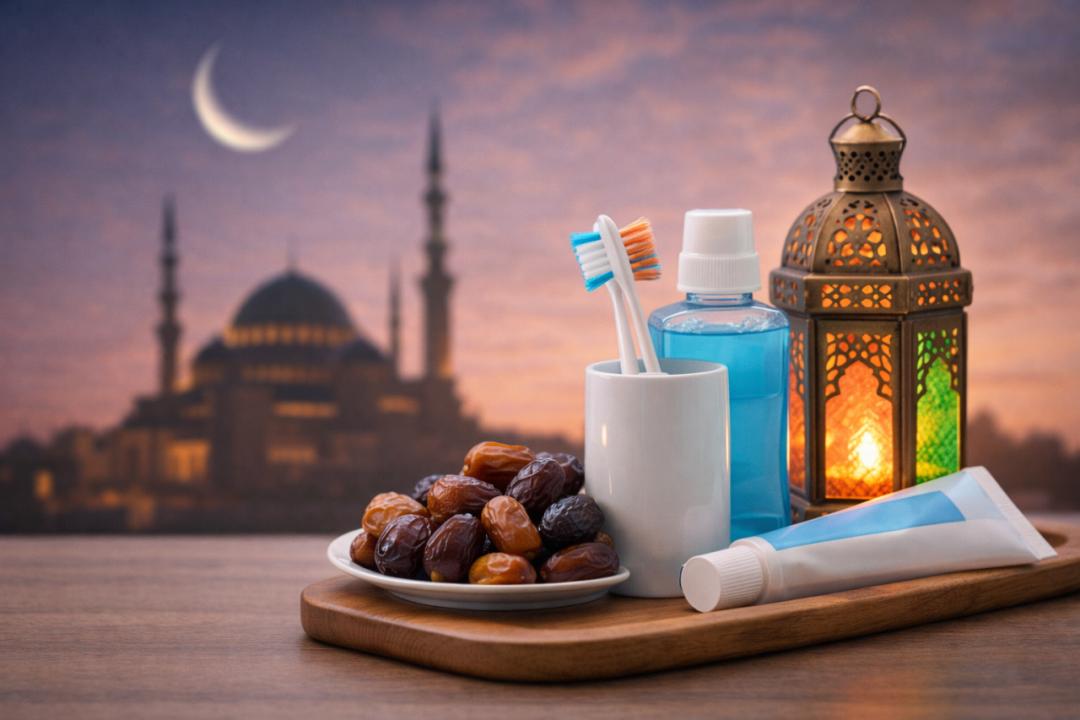
Because water cannot be consumed during fasting, saliva flow decreases. However, saliva serves as a natural defense mechanism that cleans the mouth and protects teeth against decay. A reduction in saliva production facilitates bacterial growth, creating conditions that increase both bad breath and the risk of cavities.
Experts emphasize that adequate water consumption between iftar and sahur is highly important for oral health. To balance the dry mouth that develops during the day, fluid intake should be planned consciously.
Dry Mouth Increases the Risk of Tooth Decay
It is stated that tooth brushing habits should never be neglected during Ramadan. Brushing at least twice a day, after iftar and after sahur, for a minimum of two minutes using a soft bristled toothbrush is recommended.
Experts note that not only tooth surfaces but also the spaces between teeth should be cleaned using dental floss or interdental brushes, and they emphasize that tongue cleaning also plays an important role in preventing bad breath.
Pay Attention to Sweet Consumption
Increased dessert consumption during Ramadan stands out as one of the main factors that raise the risk of tooth decay. Syrup soaked and sticky desserts, in particular, can remain on tooth surfaces for long periods and accelerate cavity formation.
Experts recommend that if desserts are consumed, they should be eaten together with the main meal and followed by drinking water. It is also advised to avoid acidic beverages and not to consume very hot and very cold foods consecutively. These precautions help prevent tooth sensitivity.
Share on Social Media
The development of this content was contributed by the Biruni University Hospital Board. The content of the page is for informational purposes only. The page content does not include elements intended for therapeutic health services. For diagnosis and treatment, please consult your physician.