
 TR
TR ES
ES FR
FR AR
AR RU
RUWhat Is a Smile Makeover? How Is It Done?
A smile makeover is a personalized treatment approach that considers the teeth, gums, lips, and facial features together to create a smile that is both aesthetically pleasing and functional. The goal is not simply to achieve whiter teeth, but to create a natural, healthy, balanced smile that complements the face and delivers long lasting results.
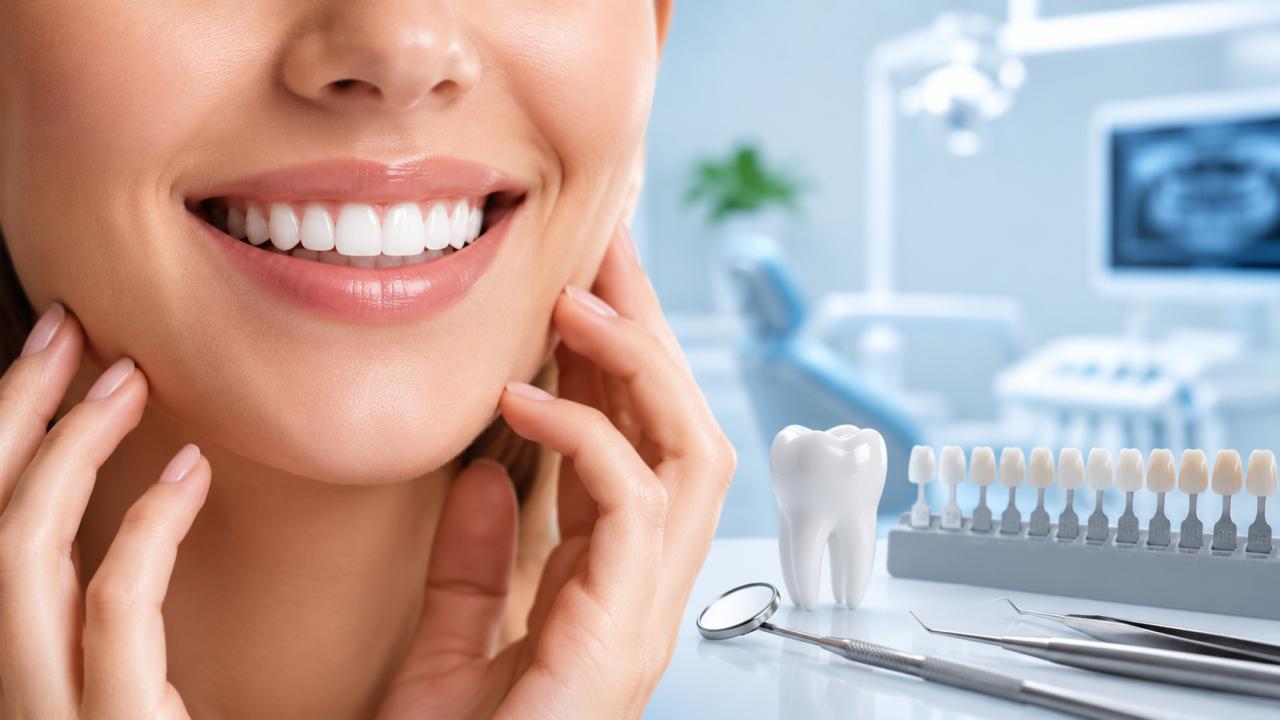
Before smile design treatment, the patient's oral and dental health is evaluated in detail. Any cavities, gum disease, teeth grinding, missing teeth, crowding, or bite problems should be treated first. This is because healthy teeth and gums form the foundation of a healthy smile.
Who Is a Suitable Candidate for Smile Design?
People who are unhappy with the color, shape, size, or alignment of their teeth may be considered for smile design. Personalized treatment planning may be carried out for concerns such as gaps between teeth, broken or worn teeth, irregular gum appearance, or aesthetic problems caused by old fillings and restorations.
However, not every procedure is suitable for every patient. Smile design should therefore be planned according to the individual's oral structure, dental health, expectations, and treatment needs.
How Is Smile Design Performed?
The smile design process begins with a detailed examination. The color, shape, and alignment of the teeth, along with the gum line, lip line, and facial structure, are evaluated together. When necessary, photographs, digital impressions, X-rays, and intraoral scans may also be used.
Following the planning stage, one or more procedures such as teeth whitening, porcelain veneers, zirconia crowns, bonding, gum contouring, orthodontic treatment, or dental implants may be performed depending on the patient's needs. The aim is not to create a standard smile, but to achieve a natural result that suits the individual's facial features, oral health, and expectations.
Which Methods Are Used in Smile Design?
Teeth whitening may be preferred for darkening and staining of the teeth. Tooth color may change due to factors such as tea, coffee, smoking, and aging. It is important for the teeth and gums to be healthy before the procedure.
Porcelain laminate veneers are thin porcelain shells applied to the front surfaces of the teeth. They may be preferred for discoloration, minor fractures, irregular tooth shape, and aesthetic inconsistencies.
Bonding may be used to correct minor shape irregularities, fractures, or gaps between teeth using tooth colored composite materials. It is generally planned as a conservative cosmetic procedure.
Gum contouring may be performed when too much gum is visible while smiling or when the gum line is uneven. The appearance of the gums is also an important factor in creating a healthy and aesthetically pleasing smile.
Orthodontic treatment may be part of smile design when there is crowding, spacing, or a bite disorder. In some patients, the teeth may need to be moved into the correct position before cosmetic procedures are performed.
Why Is a Natural Appearance Important in Smile Design?
Smile design should not aim for the same tooth shape or degree of whiteness in every patient. An ideal smile should complement the individual's facial structure, lip shape, skin tone, age, speech, and the natural movement of the face when smiling.
Teeth that are excessively white, too large, or out of proportion with the face may create an unnatural appearance. For this reason, smile design should be planned not only according to aesthetic expectations but also with chewing function, dental health, gum health, and long term durability in mind.
What Should Be Considered Before Treatment?
Before beginning smile design treatment, the patient's expectations should be assessed clearly. The appearance the patient wants should be considered together with what is medically possible and healthy.
If cavities, gum disease, missing teeth, bite problems, or teeth grinding are present, these conditions should be treated first. Cosmetic procedures performed on unhealthy teeth and gums may not provide lasting or successful results in the long term.
Is Smile Design Permanent?
The durability of the methods used in smile design depends on the procedure performed, the materials used, oral hygiene, teeth grinding habits, smoking, and regular dental checkups.
The effects of teeth whitening may fade over time, bonding may require maintenance, and regular oral care and dental checkups are essential for the long term durability of veneers and crowns.
Smile design is a comprehensive treatment plan that considers the patient's aesthetic expectations together with oral and dental health. When planned correctly, it can create a healthier, more attractive smile that is in harmony with the face. For a safe and successful outcome, all procedures must be individually planned following an evaluation by a dentist.
Share on Social Media
The development of this content was contributed by the Biruni University Hospital Board. The content of the page is for informational purposes only. The page content does not include elements intended for therapeutic health services. For diagnosis and treatment, please consult your physician.