
 TR
 ES
 FR
 AR
 RU
Adult Bone Marrow Transplant Center
Adult bone marrow transplantation is the procedure of transplanting blood-forming stem cells taken from a healthy individual into a patient whose bone marrow has been damaged or has lost its function due to various diseases.
Stem cells in the bone marrow, a spongy tissue found inside some of the bones in our body, are responsible for the production of blood cells. Bone marrow transplantation aims to restore the patient’s ability to produce healthy blood cells by infusing these healthy stem cells into the body.

What Is Bone Marrow (Stem Cell) Transplantation?
Bone marrow is a vital tissue located inside the large bones of the body that produces blood cells. This spongy tissue generates red blood cells that carry oxygen, white blood cells that fight infections, and platelets that stop bleeding. Certain diseases and treatments can impair the function of this essential tissue, leading to serious health problems.
Bone marrow transplantation is the process of replacing damaged or diseased bone marrow with healthy stem cells. These stem cells are special cells found in the bone marrow that can differentiate into all types of blood cells.
Thanks to transplantation, the patient’s body can regain the ability to produce healthy blood cells. It helps treat or control the underlying disease.
Detailed Information and Appointment
For detailed information about the Bone Marrow Transplant Center, you can contact us at 444 8 276.
Who Can Undergo Bone Marrow (Stem Cell) Transplantation?
Bone marrow transplantation can be applied to people of all ages, including infants and children. It is considered a definitive treatment option especially for blood cancers (such as leukemia and lymphoma), bone marrow failure (aplastic anemia), sickle cell anemia, Mediterranean anemia (thalassemia), and congenital immune system disorders.
Stem cells obtained from the umbilical cord blood of newborn babies can also be used for transplantation in certain cases. Cord blood is a rich source of stem cells and can be an important option, especially in pediatric transplants. Physicians will evaluate whether bone marrow transplantation is an appropriate treatment by considering your child’s specific condition and disease.
What Are the Types of Bone Marrow (Stem Cell) Transplantation?
Bone marrow transplantation is divided into three types according to the stem cell source: autologous, allogeneic, and haploidentical transplantation. In our hospital, autologous and allogeneic bone marrow transplants are successfully performed in both adult and pediatric patients.
Autologous Bone Marrow (Stem Cell) Transplantation
In autologous transplantation, the patient’s own healthy stem cells are used. These cells are usually collected before high-dose treatment (such as chemotherapy or radiotherapy) and returned to the patient after treatment.
This method is especially preferred in certain types of lymphoma and myeloma. The risk of the body rejecting the transplanted cells is very low because the cells belong to the patient. This type of transplantation may also be preferred to prevent damage to the bone marrow caused by high-dose treatment.
Allogeneic Bone Marrow (Stem Cell) Transplantation
In allogeneic transplantation, stem cells obtained from a healthy donor are used. The donor may be a sibling, parent, or other relative, or may be found through bone marrow banks. Tissue compatibility (HLA) between the donor and recipient is very important for the success of the treatment.
In allogeneic transplants, there is a risk that the transplanted cells may react against the recipient’s body or that the recipient’s body may react against the transplanted cells. However, various treatment methods are available to manage these risks.
Which Diseases Are Treated with Bone Marrow (Stem Cell) Transplantation?
Bone marrow transplantation plays an important role in cases where the bone marrow cannot produce sufficient and healthy blood cells or in the treatment of certain types of cancer. This treatment method is considered a life-saving option for many diseases, especially blood cancers.
Leukemia and Lymphoma
Leukemia (blood cancer) and lymphoma (lymph cancer) are the most common diseases treated with bone marrow transplantation. Leukemia is characterized by uncontrolled proliferation of abnormal blood cells in the bone marrow. Lymphoma is a type of cancer that begins in the lymph tissue, which is part of the immune system.
Bone marrow transplantation in these diseases is based on restoring normal blood production by transplanting healthy stem cells. Especially in cases where treatment response cannot be achieved or the disease relapses, bone marrow transplantation offers an important treatment option for patients.
Transplantation may be applied in acute lymphoblastic leukemia, acute myeloblastic leukemia, chronic myeloid leukemia, chronic lymphocytic leukemia, Hodgkin lymphoma, non-Hodgkin lymphoma, and multiple myeloma.

Bone Marrow Failure (Aplastic Anemia)
Bone marrow failure (aplastic anemia) is a rare but serious blood disorder in which the bone marrow cannot produce sufficient numbers of blood cells. It is characterized by decreased red blood cells that carry oxygen, white blood cells that fight infections, and platelets that enable blood clotting.
Bone marrow transplantation can restore normal blood production in patients with aplastic anemia by replacing the damaged bone marrow with healthy stem cells. This treatment has high success rates, especially in young patients with suitable donors, and significantly improves quality of life by halting disease progression.
Sickle Cell Anemia and Mediterranean Anemia (Thalassemia)
Sickle cell anemia and Mediterranean anemia (thalassemia) are genetic disorders that affect red blood cell production. In sickle cell anemia, red blood cells lose their normal round shape and become sickle-shaped, obstructing blood flow and causing pain and organ damage. In Mediterranean anemia, the body cannot produce sufficient healthy hemoglobin, leading to severe anemia.
Stem cell transplantation in these diseases involves replacing the patient’s genetically defective stem cells with healthy stem cells. This enables the production of normally shaped and functional red blood cells and eliminates the adverse effects of the disease.
Immunodeficiency Disorders
Immunodeficiency disorders are conditions in which the body’s ability to fight infections is weakened or absent. Individuals with such disorders may develop severe infections even from microorganisms that are normally harmless.
In the treatment of certain immunodeficiency disorders, transplanting healthy donor cells in place of the patient’s defective immune cells can help establish a new and healthy immune system.
The fact that the first successful allogeneic bone marrow transplant in history was performed in a child with severe combined immunodeficiency syndrome demonstrates the importance of this treatment method for such diseases.
How Does the Bone Marrow (Stem Cell) Transplantation Process Work?
Bone marrow transplantation can generally be summarized in three main stages: pre-transplant preparation, transplantation and hospitalization, and post-transplant follow-up and recovery.
Pre-Transplant Preparation
Pre-transplant preparation is critical to the success of the transplant. At this stage, the patient’s overall health status is evaluated in detail, and the type and stage of the disease to be treated are determined. The preparation process usually takes a few days to one week.
In allogeneic transplants (from a donor), HLA (human leukocyte antigen) typing is performed to find a suitable donor. HLA proteins help the body distinguish its own cells from foreign cells. The closer the HLA match between donor and recipient, the higher the success rate and the lower the risk of post-transplant complications.
After a suitable donor is found, or in autologous transplants (using the patient’s own cells), high-dose chemotherapy and/or radiotherapy is administered. The main goals of this intensive treatment regimen are to eliminate cancer cells, clear the bone marrow to make space for the new stem cells, and suppress the immune system to prevent rejection of the transplanted cells.
Transplantation and Hospitalization
After preparation is completed, the transplant is performed. Healthy stem cells collected from the donor or the patient are infused into the patient’s bloodstream, usually via a central venous catheter. The procedure is similar to a blood transfusion; it is painless and the patient is usually awake.
The stem cells enter the bloodstream, migrate to the bone marrow, and begin producing new blood cells. This process is called “engraftment” and usually occurs within 2 to 4 weeks after transplantation. In autologous transplants, this period is generally shorter, approximately 10–20 days.
After transplantation, the patient remains hospitalized until new blood cell production begins and the immune system becomes sufficiently strong. The length of hospital stay may range from several weeks to several months depending on the type of transplant, the patient’s condition, and possible complications. During hospitalization, patients are kept in a sterile environment and closely monitored to prevent infections.
Post-Transplant Follow-Up and Recovery
After discharge, regular follow-up visits and adherence to the physician’s recommendations are essential. During this period, blood values are monitored regularly and potential complications are closely observed. Paying attention to hygiene, avoiding crowded environments, and receiving recommended vaccinations are important to prevent infections.
Maintaining proper nutrition, eating a healthy and balanced diet, drinking plenty of fluids, and following recommended dietary restrictions also play an important role in recovery. The time required to return to normal life varies from person to person and may take several months to one year.
How Is Bone Marrow (Stem Cell) Donation Performed?
Although stem cell transplantation is a life-saving treatment option for many patients, finding a suitable donor is not always easy. Therefore, becoming a bone marrow donor is a very valuable contribution that can save a life.
Who Can Be a Bone Marrow (Stem Cell) Donor?
In general, healthy adults between the ages of 18 and 50 can become bone marrow donors. Donor candidates should not have serious chronic diseases and should not have had certain infectious diseases. In allogeneic transplants, HLA compatibility between donor and recipient is crucial.
The best match is usually found among siblings, but unrelated donors and cord blood can also be alternative sources. Bone marrow banks and international donor organizations help identify suitable matches by maintaining records of potential donors worldwide.
How Does the Bone Marrow (Stem Cell) Donation Process Work?
The bone marrow donation process can be performed in two different ways depending on donor preference and patient needs: peripheral stem cell donation and bone marrow harvest.
- Peripheral Stem Cell Donation: The donor receives a medication (growth factor) for several days to increase stem cell production and mobilization into the bloodstream. The donor’s blood is then processed through a special device (apheresis machine) to separate the stem cells, and the remaining blood is returned to the donor. The procedure usually takes 4–6 hours, and the donor can be discharged the same day.
- Bone Marrow Harvest: The donor is placed under general anesthesia, and bone marrow is collected, usually from the pelvic bone, using special needles. The procedure takes approximately 1–2 hours, and the donor is usually discharged within 24 hours. No pain is felt during the procedure.
What Are the Risks and Side Effects for Donors?
Stem cell donation is generally safe and does not cause long-term harm to the donor’s health. However, as with any medical procedure, some temporary side effects may occur.
In peripheral stem cell donation, flu-like symptoms such as bone pain, muscle pain, headache, and fatigue may occur due to growth factor medications. In bone marrow harvest, there may be anesthesia-related risks and mild post-procedure pain, bruising, or infection risk. These side effects are usually short-lived and mild.
Why Biruni Bone Marrow Transplant Center?
Our Bone Marrow Transplant Center aims to provide high-level healthcare services to patients in need of bone marrow transplantation. With our experienced specialist physicians, advanced technological infrastructure, and patient-centered approach, we successfully manage treatment processes.
Our center is staffed by an experienced medical team specialized in hematology, oncology, immunology, infectious diseases, and transplantation. Treatment processes are carried out with a multidisciplinary approach through personalized treatment plans created in collaboration among physicians from different specialties.
Since transplantation involves a high risk of infection for immunosuppressed patients, our center includes sterile and secure transplant units designed in accordance with international standards.
Frequently Asked Questions
Is Bone Marrow Transplantation Painful?
The transplant procedure itself is usually painless, similar to a blood transfusion. However, the preparation stages before transplantation and the recovery process afterward may cause pain due to certain complications.
How Long Does Bone Marrow Transplantation Take?
The entire process, from preparation to full recovery, may take several months to up to one year. The length of hospital stay varies depending o
Unit Doctors
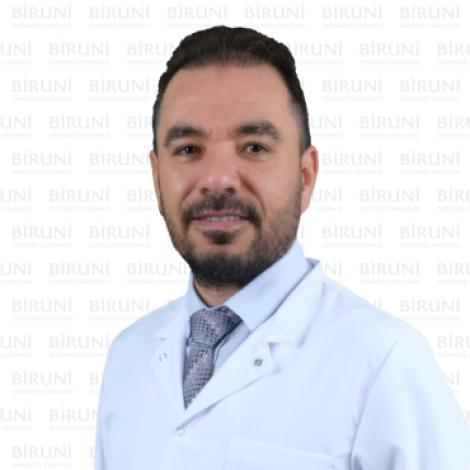
Prof. Dr. Ali Hakan KAYA