 TR
 ES
 FR
 AR
 RU
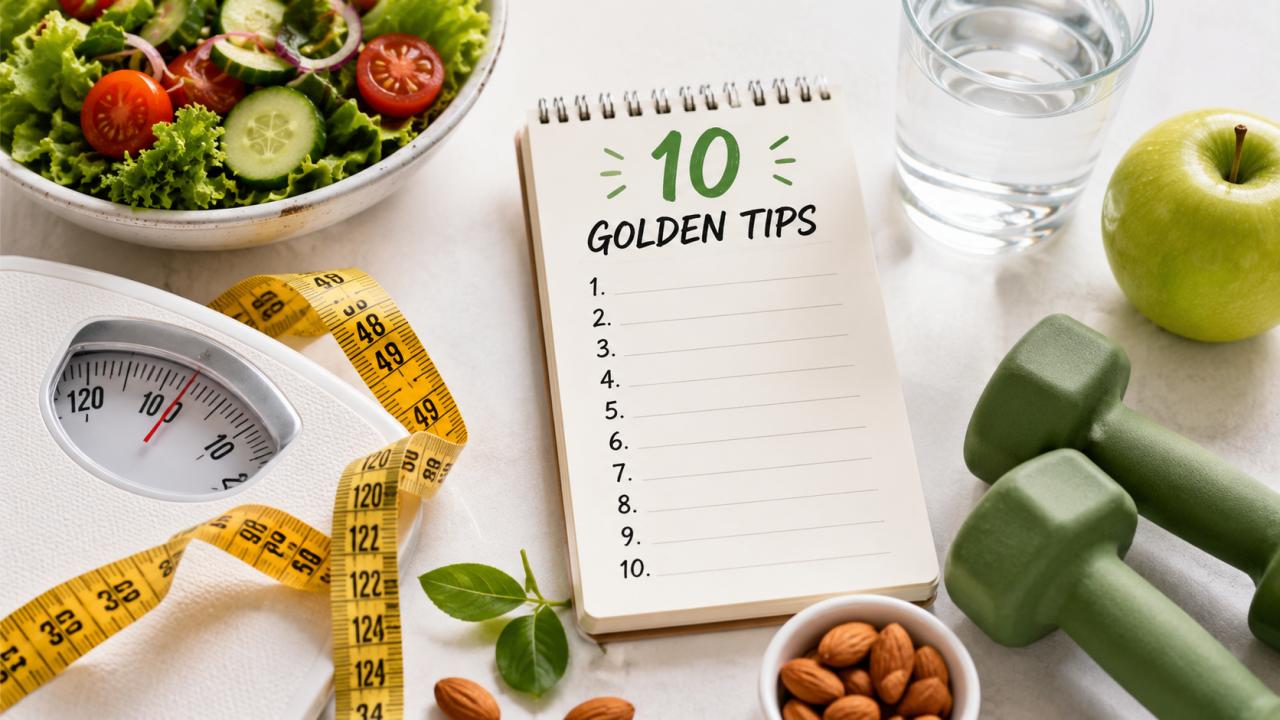
10 Golden Tips for Fast and Lasting Weight Loss!
A sedentary lifestyle and the increased consumption of sweets and pastries have led to weight gain. As summer approaches, dietitians at Biruni University Faculty of Medicine Hospital shared insights on 10 effective methods for achieving both fast and lasting weight loss.
Stay Away from Crash Diets!
First of all, avoid crash diets that promise rapid weight loss in a short time. Do not risk your health just to lose weight quickly before summer. Weight loss is based on a simple principle: when you burn more calories than you consume, you lose weight. This is called a caloric deficit. However, it is important not to follow extremely low calorie diets. Very low calorie crash diets can weaken the immune system, lead to illness, and cause muscle loss. It is possible to achieve effective weight loss by eating a balanced and sufficient diet without starving yourself.
Boost Your Metabolism by Having Breakfast
Skipping breakfast or delaying it extends the overnight fasting period, which slows down metabolism. Having breakfast within one hour of waking up is one of the most important steps to boost metabolism. For those who skip breakfast due to time or lack of appetite, more practical and lighter alternatives can be developed.
Eat Regularly Without Skipping Meals
One of the most common mistakes during dieting is skipping meals to reduce calorie intake. Skipping meals can cause drops in blood sugar and lead to overeating at the next meal, ultimately resulting in higher calorie intake and weight gain in the long term.
Water Is Essential
Adequate water intake is essential for healthy weight loss. All metabolic processes in the body require water. Although daily water needs vary by individual, consuming approximately 30 mL of water per kilogram of body weight can help meet daily requirements.
Choose the Right Carbohydrates
Many people trying to lose weight eliminate bread from their diet. However, if you want to maintain your weight loss, you should not treat bread as the enemy. Consuming the right types of carbohydrates in appropriate amounts can help prevent fatigue and support sustainable weight loss. Instead of white flour, refined sugar, and foods made from them, whole wheat flour, whole grain bread, whole grain pasta, and bulgur should be preferred.
Eat Fiber Rich Foods
Foods rich in fiber such as vegetables, fruits, and legumes help prolong satiety, regulate blood sugar, and support digestive health. Including a salad made from seasonal vegetables at each meal, consuming 1 to 3 servings of fruit daily, and eating legumes 1 to 2 times per week can help ensure adequate fiber intake.
Make Herbal Teas a Habit
Herbal teas are calorie free beverages that can help reduce appetite and support metabolism. Green tea paired with raw nuts can be a good snack option. Brewing tea with cinnamon or adding a cinnamon stick may help suppress appetite.
Do Not Neglect Exercise
Exercise activates metabolism and promotes fat burning. When combined with a healthy diet, it helps you lose weight faster and more effectively. It can also help prevent skin sagging during weight loss, contributing to a fitter appearance.
Avoid Eating Late at Night
Metabolism slows down as the day comes to an end. Therefore, food consumed late at night is harder to burn. The last meal should be eaten at least 2 to 3 hours before going to sleep.
Get Quality Sleep
Regular sleep is essential for controlling food intake and maintaining metabolic function. Lack of sleep increases cortisol levels, which can lead to stress. Stress is a factor that stimulates appetite. Therefore, getting 6 to 8 hours of quality sleep daily is important for weight management.
A soup recipe to boost your metabolism and support weight loss:
- 1 medium zucchini,
- 2 small tomatoes,
- 1 small dry red onion,
- 1 small red capia pepper,
- Half a bunch of fresh parsley,
- 1 tablespoon of olive oil
- Cook all ingredients, let the mixture cool, then blend it with half a bunch of fresh mint. It can be consumed as 2 bowls per day.
Share on Social Media
The development of this content was contributed by the Biruni University Hospital Board. The content of the page is for informational purposes only. The page content does not include elements intended for therapeutic health services. For diagnosis and treatment, please consult your physician.