 TR
TR ES
ES FR
FR AR
AR RU
RUA Ramadan Fasting Guide for Patients with Diabetes
For patients with diabetes who wish to fast during Ramadan, the most important rule is to make the decision under medical supervision. Each patient’s clinical condition, medications, and accompanying health issues are different. Therefore, fasting is not recommended without an individualized medical assessment.
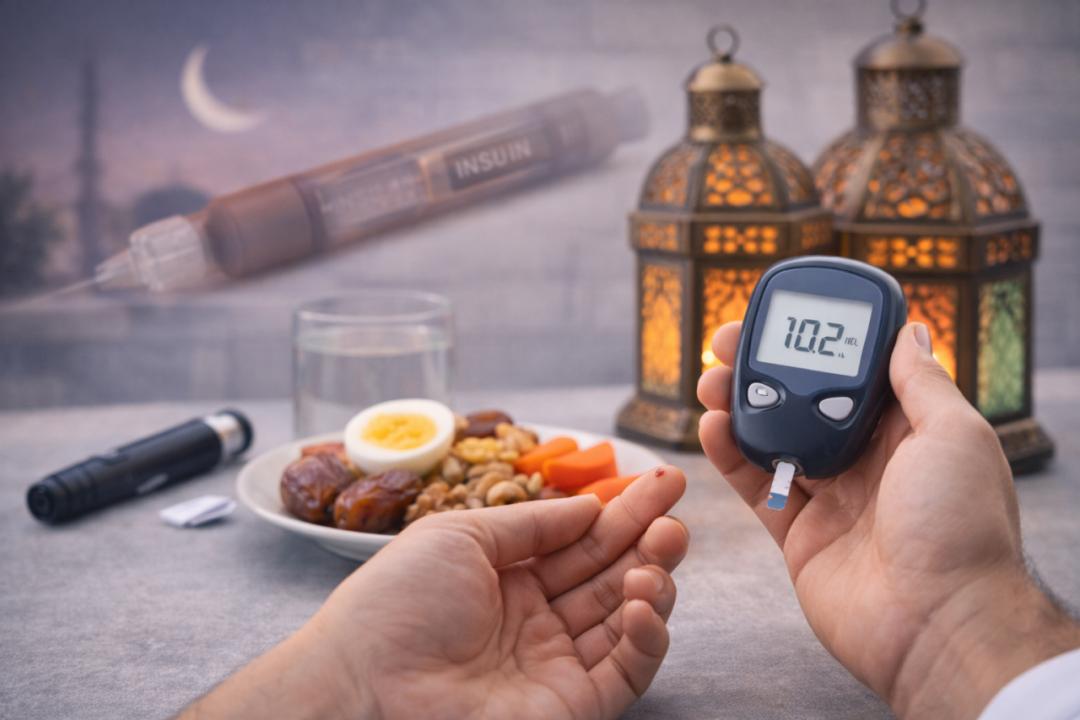
Who Is in the High Risk Group?
Fasting is generally not recommended for patients in the following groups:
- Individuals who frequently experience hypoglycemia (low blood sugar)
- Patients with uncontrolled type 1 diabetes
- Those who have experienced severe hypoglycemia or ketoacidosis within the last 3 months
- Individuals with advanced kidney, heart, or vascular disease
- Patients whose insulin doses change frequently
What Should Diabetic Patients Who Plan to Fast Pay Attention To?
- Medical supervision is essential. Before fasting, patients should consult an internal medicine or endocrinology specialist, and medication and insulin schedules should be reorganized.
- Sahur should not be skipped. Prolonged fasting increases the risk of hypoglycemia. Complex carbohydrates such as whole grains, along with protein and fiber rich foods, should be preferred at sahur.
- Blood sugar monitoring should be performed. Measuring blood glucose while fasting does not invalidate the fast. Measurements are especially recommended during midday and toward the afternoon.
- If a significant drop or uncontrolled rise in blood sugar occurs, fasting should be stopped immediately. This condition may lead to health problems requiring urgent intervention.
- Sudden and excessive food consumption at iftar should be avoided. Iftar should begin with light foods, and portion control should be maintained. Milk based or fruit based desserts should be preferred instead of syrup soaked sweets.
- Adequate fluid intake is necessary. At least 1.5 to 2 liters of water should be consumed between iftar and sahur.
Physical Activity
- Heavy exercise during the day is not recommended.
- Light paced walking can be done 1 to 2 hours after iftar.
- Excessive exertion may increase the risk of hypoglycemia.
Heavy exercise immediately after iftar is not recommended. Light paced walks may be preferred.
The main goal in diabetes management is to maintain blood sugar balance. If a situation arises that puts health at risk, fasting should be discontinued. To fast safely during Ramadan, individual risk assessment and adherence to medical advice are of vital importance.
Share on Social Media
The development of this content was contributed by the Biruni University Hospital Board. The content of the page is for informational purposes only. The page content does not include elements intended for therapeutic health services. For diagnosis and treatment, please consult your physician.