 TR
 ES
 FR
 AR
 RU
CAR T Cell Therapy
CAR T cell therapy, one of the most exciting advances in cancer treatment in recent years, is a groundbreaking approach that directs the power of the immune system straight at cancer cells. As Biruni University Faculty of Medicine Hospital, with our multidisciplinary approach and advanced technological infrastructure, we aim to provide this “living drug” technology to our patients at global standards and open a new chapter in the fight against cancer.
What Is CAR T Cell Therapy?
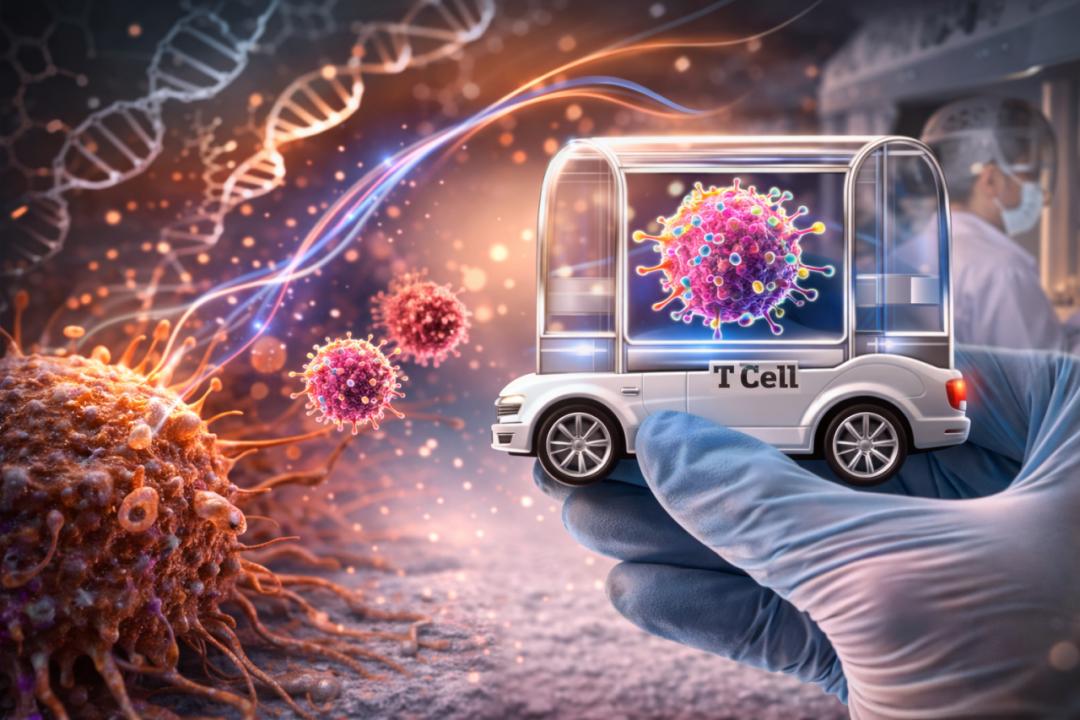
CAR T (Chimeric Antigen Receptor) cell therapy is an immunotherapy method based on genetically reprogramming T lymphocytes (white blood cells), which are the body’s main defense force, in a laboratory setting so that they can recognize and destroy cancer cells. Cancer cells that can normally evade the immune system become visible thanks to these modified smart cells. Special receptors (CAR) added to the surface of the cells bind to proteins on cancer cells, keeping the immune system continuously active like a living drug.
What Are the Benefits of CAR T Cell Therapy?
CAR T therapy offers many advantages compared to traditional methods:
- Targeted Effect: Focuses only on cancer cells and does not harm most healthy tissues.
- High Success Rate: Provides complete remission, meaning no detectable disease, in more than 85 percent of cases, especially in pediatric B cell acute lymphoblastic leukemia (ALL).
- Long Term Protection: These cells continue to multiply in the body and may help prevent recurrence by creating an immune memory.
- Single Application: It is usually performed with a single infusion, and patients may recover physically faster compared to stem cell transplantation.
- Hope for Resistant Cases: It can significantly increase survival even in cases where all other treatments have failed.
What Are the Risks of CAR T Cell Therapy?
Some manageable risks and side effects may occur during the activation of the cells:
- Cytokine Release Syndrome (CRS): Caused by excessive activation of the immune system, leading to high fever, low blood pressure, and flu like symptoms.
- Neurotoxicity (ICANS): A temporary condition affecting the brain; confusion, speech impairment, tremors, or rarely seizures may occur.
- Weakened Immunity: A temporary decrease in blood cell counts and an increased risk of infection may occur after treatment.
- Organ Functions: In rare cases, mineral imbalances or sensitivity in the heart and lungs may develop.
How Is CAR T Cell Therapy Performed?
At our hospital, the process is carried out in five main stages with careful planning:
- Cell Collection (Leukapheresis): The patient’s blood is passed through a device to separate T cells, and the remaining blood is returned to the body.
- Genetic Engineering (Production): The collected cells are genetically modified in the laboratory and multiplied until they reach billions. This process takes approximately 2 to 4 weeks.
- Bridging Therapy: Temporary chemotherapy or radiotherapy may be given to prevent disease progression during the production phase.
- Preparatory Chemotherapy (Lymphodepletion): A short pre treatment lasting 3 to 4 days is applied to create a suitable environment in the body before the cells are administered.
- Infusion: The prepared smart cells are infused into the patient through a vein in a single session lasting approximately 30 to 60 minutes.
Which Diseases Are Treated with CAR T Cell Therapy?
Today, this treatment is mainly approved for hematological cancers and is used in the following diseases:
- B cell Acute Lymphoblastic Leukemia (ALL)
- Diffuse Large B Cell Lymphoma (DLBCL)
- Mantle Cell Lymphoma (MCL)
- Follicular Lymphoma and Marginal Zone Lymphoma (MZL)
- Multiple Myeloma
- Primary Mediastinal Large B Cell Lymphoma
In addition, research on solid tumors, autoimmune diseases, and HIV is ongoing worldwide.
Which Department Manages CAR T Cell Therapy?
At Biruni University Faculty of Medicine Hospital, CAR T cell therapy processes are carried out under the joint management of our Adult and Pediatric Bone Marrow Transplant Centers and the departments of Medical Oncology and Hematology. The process is planned individually for each patient by a multidisciplinary team consisting of specialist oncologists, hematologists, and a specially trained apheresis team.
Share on Social Media
The development of this content was contributed by the Biruni University Hospital Board. The content of the page is for informational purposes only. The page content does not include elements intended for therapeutic health services. For diagnosis and treatment, please consult your physician.