
 TR
TR ES
ES FR
FR AR
AR RU
RUCAR T Cell Therapy Offers New Hope for Glioblastoma, a Deadly Brain Tumor
A new study on glioblastoma, one of the most aggressive forms of brain cancer, suggests that CAR T cell therapy could become an important treatment option in the future.
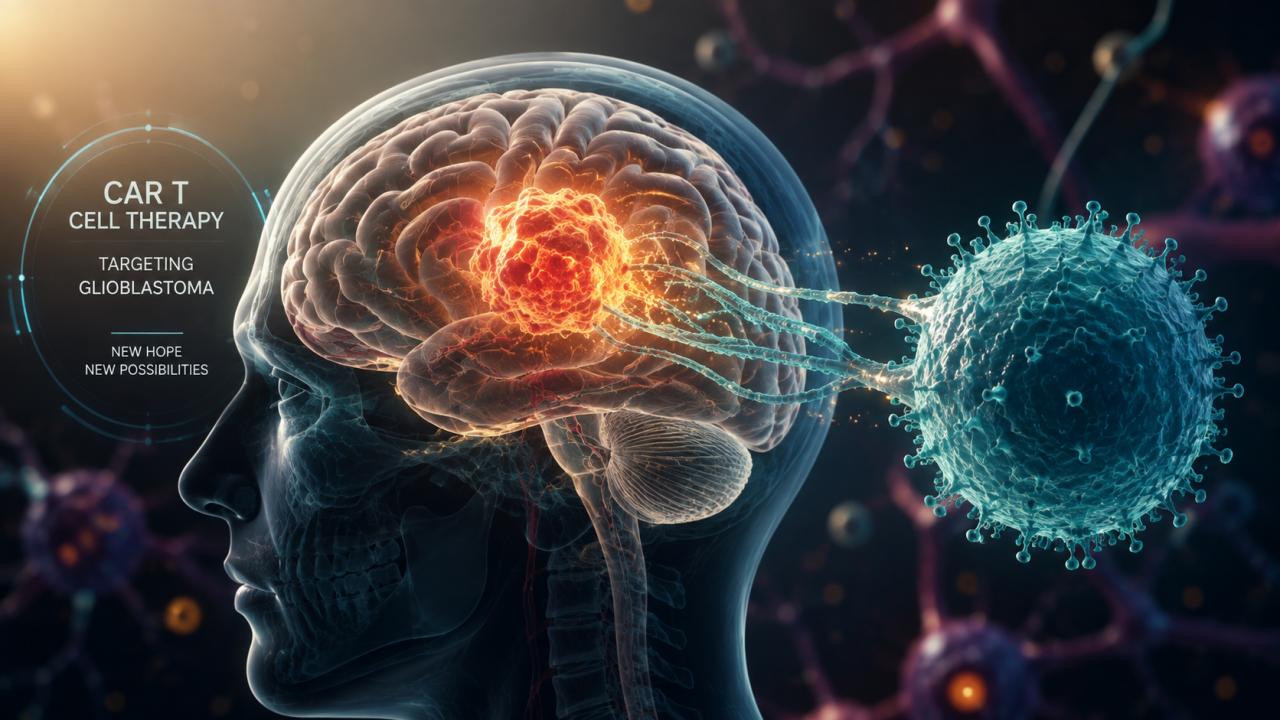
A study conducted by researchers at King's College London and McMaster University in Canada found that glioblastoma is made up of more than just cancer cells. Immune cells surrounding the tumor also play an important role by supporting its growth.
The researchers developed specialized CAR T cells targeting a protein called GPNMB, which is found both on glioblastoma cells and on certain immune cells that support the tumor. In laboratory studies and glioblastoma models designed to closely mimic human biology, this approach was shown to attack the tumor from two different directions.
CAR T therapy is based on reprogramming a patient's own immune cells so they can recognize and target cancer cells. Having already shown success in certain blood cancers, the potential use of this approach in difficult to treat solid tumors such as glioblastoma is considered a promising development by the scientific community.
Experts point out that glioblastoma is one of the most challenging types of cancer to treat and that the disease frequently recurs despite existing treatment options. For this reason, new approaches that target not only the cancer cells themselves but also the tumor microenvironment that protects and supports them are considered highly important.
Although the findings are encouraging, experts emphasize that the research is still at an early stage. Further clinical studies will be needed before this approach can be developed into a treatment that is suitable for use in patients.
Share on Social Media
The development of this content was contributed by the Biruni University Hospital Board. The content of the page is for informational purposes only. The page content does not include elements intended for therapeutic health services. For diagnosis and treatment, please consult your physician.