 TR
 ES
 FR
 AR
 RU
Experts Warn About Ramadan Pita Bread: Pay Attention to Portion Control
Ramadan pita bread, one of the symbols of the holy month, is a staple at iftar tables. While the aroma and soft texture of freshly baked, warm pita can increase appetite after fasting, experts warn that it should be consumed carefully for the sake of health.
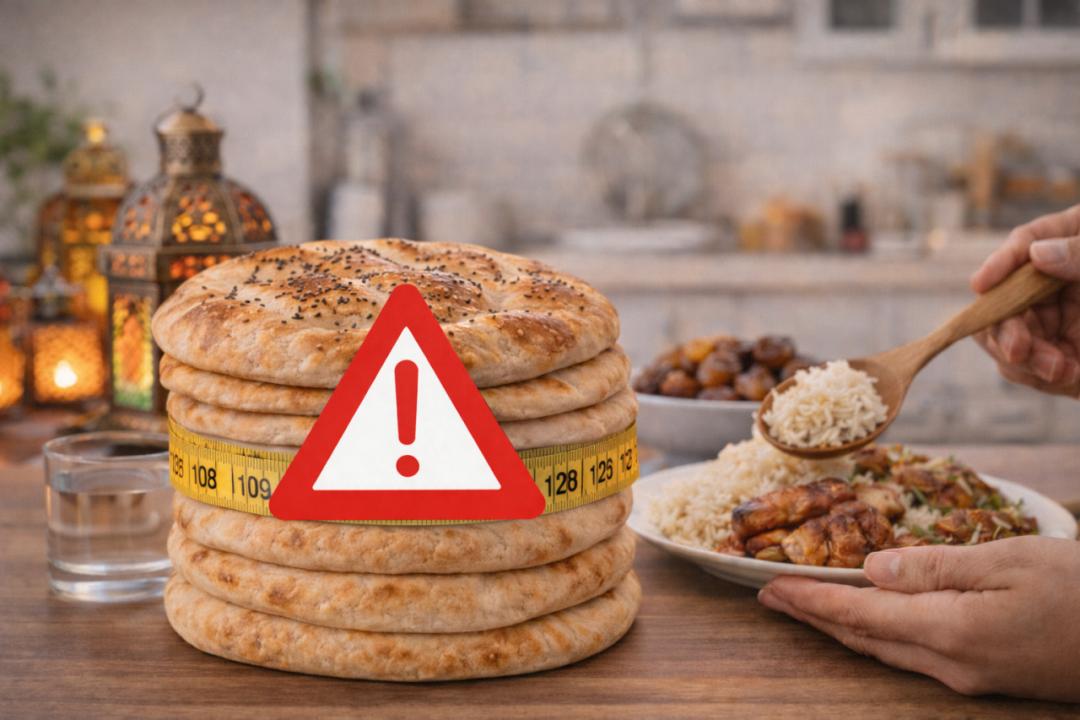
Nutrition experts state that Ramadan pide is typically prepared with white flour, water, salt, and yeast, and emphasize that its refined carbohydrate content gives it a high glycemic index. They note that this may cause blood sugar levels to rise rapidly and then drop suddenly, highlighting that individuals with diabetes or insulin resistance should be particularly cautious.
250 Calories per 100 Grams
Experts explain that an average Ramadan pide weighs between 300 and 400 grams, and that 100 grams of pide contains approximately 250 calories, 50 to 55 grams of carbohydrates, and 8 grams of protein. They point out that when consumed together with desserts and other carbohydrate sources at iftar meals, daily calorie intake can easily increase. They also remind that a palm sized portion of pide is roughly equivalent to one slice of bread.
Should Be Balanced With Protein and Fiber
Experts emphasize that Ramadan pide does not need to be completely eliminated from the diet, but balanced consumption is essential. Consuming pide together with protein sources such as cheese, yogurt, and eggs, along with healthy fats like olives and plenty of greens, may help reduce sudden fluctuations in blood sugar levels. They also note that choosing pide made with whole wheat flour, when possible, can be a healthier alternative.
Should Be Consumed More Carefully at Sahur
Experts state that pide made from white flour is digested quickly and does not provide long lasting satiety when consumed at sahur, which may increase feelings of hunger during the day. Therefore, a sahur meal that includes whole grain bread along with protein and healthy fats is recommended for longer lasting fullness.
Experts emphasize that Ramadan pide is a traditional delicacy, but portion control and balanced consumption are highly important for weight management and blood sugar balance. Excessive consumption may lead to weight gain and sudden fluctuations in blood sugar levels.
Share on Social Media
The development of this content was contributed by the Biruni University Hospital Board. The content of the page is for informational purposes only. The page content does not include elements intended for therapeutic health services. For diagnosis and treatment, please consult your physician.