 TR
 ES
 FR
 AR
 RU
How Should We Eat During Eid al Adha?
Eid al Adha stands out as a period that requires attention both physically and mentally, with crowded tables, visits, and changes in eating habits. In particular, increased red meat consumption, irregular meals, a rise in dessert intake, hot weather, and a busy pace can trigger various health issues, especially in individuals with chronic conditions.
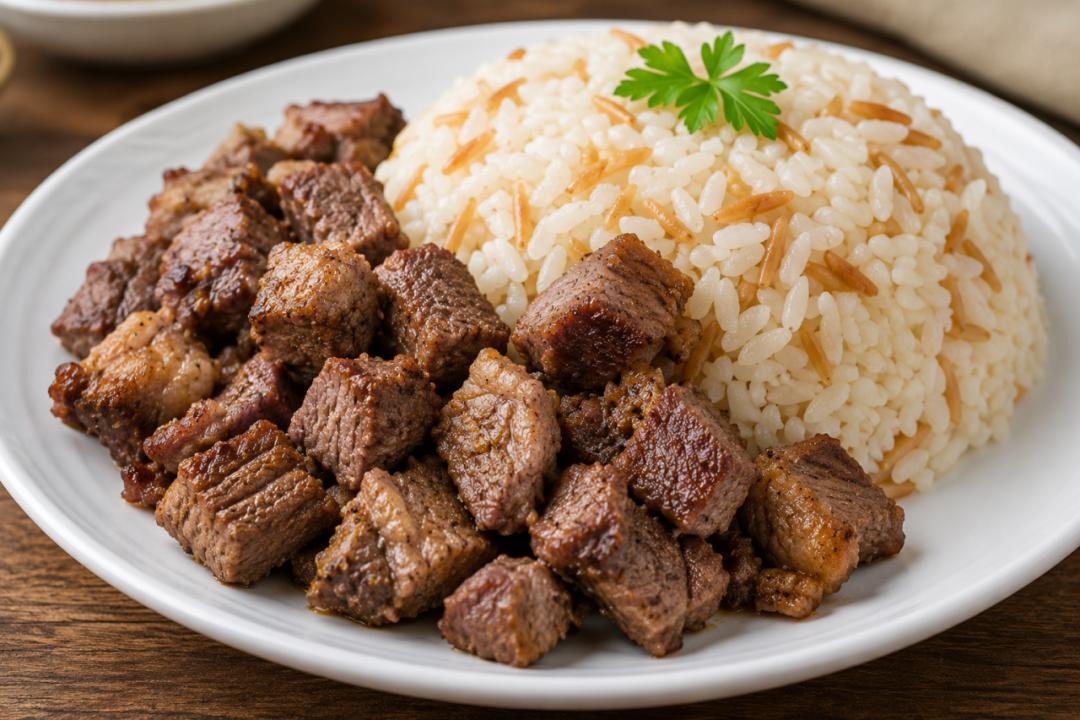
Experts from Biruni University Faculty of Medicine Hospital shared key recommendations to help maintain health during the holiday period, covering topics from nutrition and hygiene to chronic disease management and child health.
Do Not Consume Freshly Slaughtered Meat Immediately
Experts state that consuming sacrificial meat immediately after slaughter may lead to digestive problems. The tough texture of freshly cut meat can strain the stomach, making issues such as indigestion, bloating, and stomach pain more common.
It is emphasized that the meat should be rested in the refrigerator for at least 12 to 24 hours, and individuals with sensitive digestive systems are advised to be particularly cautious.
Cooking Methods Directly Affect Health
One of the most common mistakes during the holiday is consuming overly fatty and high heat cooked meat. Experts recommend choosing boiling, grilling, or baking methods instead of frying.
It is also noted that meat should not be overcooked or charred during grilling, as excessively burnt meat may pose health risks.
Avoid Consuming Excessive Meat and Desserts in the Same Meal
Increased consumption of syrup based desserts during holiday visits can disrupt blood sugar balance, strain the stomach, and lead to weight gain. Experts suggest choosing milk based or fruit based desserts instead of heavy sugary desserts after meat rich meals.
It is especially emphasized that individuals with diabetes should pay attention to portion control.
Individuals with Hypertension and Heart Disease Are at Risk
According to experts from Biruni University Faculty of Medicine Hospital, excessive consumption of salty, fatty, and uncontrolled amounts of meat may pose serious risks for individuals with hypertension and heart disease.
During the holiday period:
- Limit salt intake
- Reduce the use of tail fat and internal fat
- Avoid processed meat products
- Do not neglect prescribed medications
are recommended.
Experts also highlight that fluid loss in hot weather may disrupt blood pressure balance.
Pay Attention to Children's Nutrition
Irregular eating habits and excessive sugar consumption are common issues among children during the holiday. Sugary drinks, packaged products, and high sugar desserts may cause stomach problems and energy imbalances in children.
It is recommended that children consume enough water, spend time outdoors, and maintain regular meal habits.
Do Not Neglect Food Hygiene
During the holiday period, food poisoning cases may increase due to improper storage conditions. Experts emphasize:
- Do not leave meat exposed for long periods
- Keep raw and cooked foods separate
- Use clean cutting equipment
- Store meat at appropriate temperatures
are essential precautions.
The risk of food spoilage is higher, especially in hot weather conditions.
Do Not Reduce Physical Activity During the Holiday
Sitting for long periods, consuming heavy meals, and remaining inactive may increase digestive problems. Experts from Biruni University Faculty of Medicine Hospital note that light paced walks after meals support digestion and help regulate blood sugar levels.
Do Not Neglect Your Health During Long Journeys
During increased travel in the holiday period, staying inactive for long durations may raise the risk of circulation problems, muscle pain, and fatigue.
Experts recommend:
- Taking frequent breaks during long journeys
- Consuming sufficient water
- Avoiding heavy meals
- Not neglecting seat belt use
as important measures.
Share on Social Media
The development of this content was contributed by the Biruni University Hospital Board. The content of the page is for informational purposes only. The page content does not include elements intended for therapeutic health services. For diagnosis and treatment, please consult your physician.