
 TR
 ES
 FR
 AR
 RU
How to Quit Smoking?
Smoking is linked to a wide range of serious health problems, from cardiovascular disease and cancer to respiratory illnesses and a weakened immune system. The harm caused by cigarettes is not limited to nicotine alone; cigarette smoke contains hundreds of toxic and cancer-causing substances.
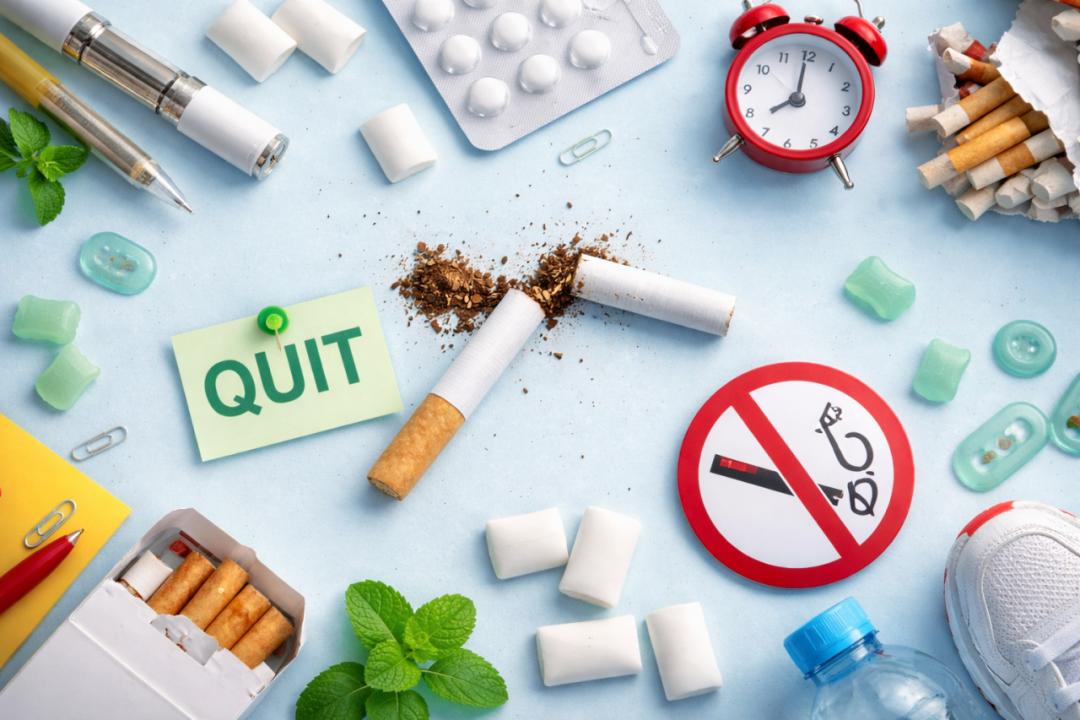
What’s Inside a Cigarette?
Cigarette smoke contains more than 7,000 chemical compounds. Hundreds of these are toxic, and at least 70 are known carcinogens. Some of the most well-known harmful substances include:
- Nicotine: The primary addictive substance. It increases heart rate and raises blood pressure.
- Carbon monoxide: Reduces the blood’s ability to carry oxygen and negatively affects the heart and brain.
- Tar: Sticks to the lungs, damages airways, and increases the risk of cancer.
- Ammonia: Enhances nicotine absorption into the brain, strengthening addiction.
- Formaldehyde: An irritant and known carcinogen.
- Arsenic: A toxic heavy metal that harms the vascular and nervous systems.
- Benzene: Associated with leukemia and several other cancers.
These substances pose serious health risks not only to smokers but also to those exposed to secondhand smoke.
What Is Nicotine Addiction?
Smoking addiction is both a physical and psychological dependence on nicotine. Nicotine creates a short-lived sense of relief or pleasure in the brain. However, this effect fades quickly, leading to renewed cravings. This cycle makes quitting particularly challenging.
Benefits of Quitting Smoking
- After 20 minutes: Heart rate and blood pressure begin to drop.
- After 24 hours: Carbon monoxide levels decrease and oxygen levels rise.
- Within 2–12 weeks: Lung function and circulation improve.
- Within 1 year: The risk of heart attack is reduced by about 50%.
- Long term: The risk of lung cancer, COPD, and stroke significantly declines.
Effective Methods for Quitting Smoking
There is no single “right” way to quit. The most effective approach is one that is tailored to the individual. Evidence-based methods include:
1. Behavioral Support and Counseling
- Helps identify smoking triggers
- Teaches strategies for coping with stress
- Improves success rates compared to quitting alone
2. Nicotine Replacement Therapy (NRT)
- Nicotine patches, gum, lozenges, or sprays
- Reduces withdrawal symptoms
- Delivers controlled nicotine without exposure to harmful smoke chemicals
3. Prescription Medications
- Help reduce cravings and the rewarding effects of nicotine
- Should be used under medical supervision
4. Smoking Cessation Clinics
- Provide personalized quit plans
- Offer regular follow-up and motivational support
5. Supportive Lifestyle Changes
- Regular physical activity
- A healthy, balanced diet
- Improved sleep habits
Temporary Symptoms During the Quitting Process
- Irritability and restlessness
- Headaches
- Difficulty concentrating
- Increased appetite
These symptoms are usually temporary and tend to ease within the first 2–4 weeks.
When Should You Seek Professional Help?
- If you have tried quitting multiple times without success
- If you experience intense withdrawal symptoms
- If you have heart, lung, or other chronic health conditions
Professional guidance can make the quitting process safer and significantly increase your chances of success.
Remember: Understanding what is inside a cigarette can strengthen your resolve to quit. Giving up smoking is one of the most powerful and valuable steps you can take for your health.
There is no better day to quit than today.
Share on Social Media
The development of this content was contributed by the Biruni University Hospital Board. The content of the page is for informational purposes only. The page content does not include elements intended for therapeutic health services. For diagnosis and treatment, please consult your physician.