 TR
TR ES
ES FR
FR AR
AR RU
RUPromising Advances in CAR T Cell Therapy
A new study aimed at improving the effectiveness of CAR T cell therapy for blood cancers has offered new hope for patients with limited treatment options. Researchers at the Perelman School of Medicine at the University of Pennsylvania have been working on a new approach to enhance the potency of CAR T cells.
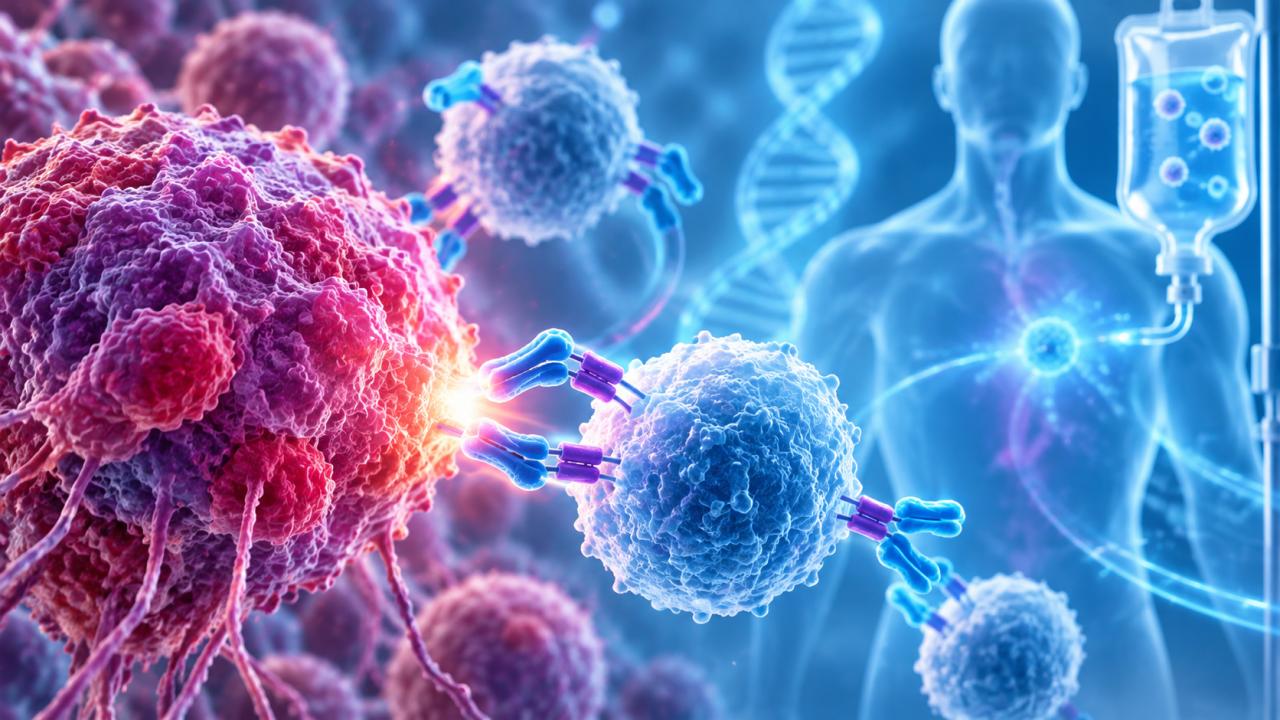
CAR T therapy works by collecting a patient's own immune cells and modifying them in a laboratory so they can recognize and target cancer cells. These engineered cells are then returned to the patient with the goal of helping the immune system fight the cancer. However, in some patients, the treatment may not produce a sufficient response, or the disease may return after a period of time.
To address this challenge, researchers engineered CAR T cells to release a substance called IL18, which helps stimulate the immune system. The goal was to make the treatment cells stronger and more effective in fighting cancer.
The study included 21 patients with B cell lymphoma whose disease had progressed despite previous treatments. Three months after receiving the next generation CAR T therapy, a substantial proportion of the patients responded to treatment. The study reported a complete or partial response in 81 percent of patients, while 52 percent achieved complete remission.
Another notable finding was the time required to prepare the treatment. While manufacturing CAR T cells typically takes longer, the researchers reported that the production time with this new approach could be reduced to as little as three days. This could be particularly important for patients with rapidly progressing blood cancers, allowing them to begin treatment sooner.
The researchers emphasize that although the results are encouraging, the study was conducted at an early stage and involved a limited number of patients. Further research involving larger groups of patients is therefore needed to confirm these findings.
Share on Social Media
The development of this content was contributed by the Biruni University Hospital Board. The content of the page is for informational purposes only. The page content does not include elements intended for therapeutic health services. For diagnosis and treatment, please consult your physician.