
 TR
 ES
 FR
 AR
 RU
Spring Allergy or the Common Cold? What Are the Differences Between Them?
With the arrival of spring, many people begin to experience symptoms such as sneezing, a runny nose, and watery eyes. These symptoms are often mistaken for the common cold. However, spring allergies and the common cold are two different health conditions with distinct causes, and there are some important differences in their symptoms.
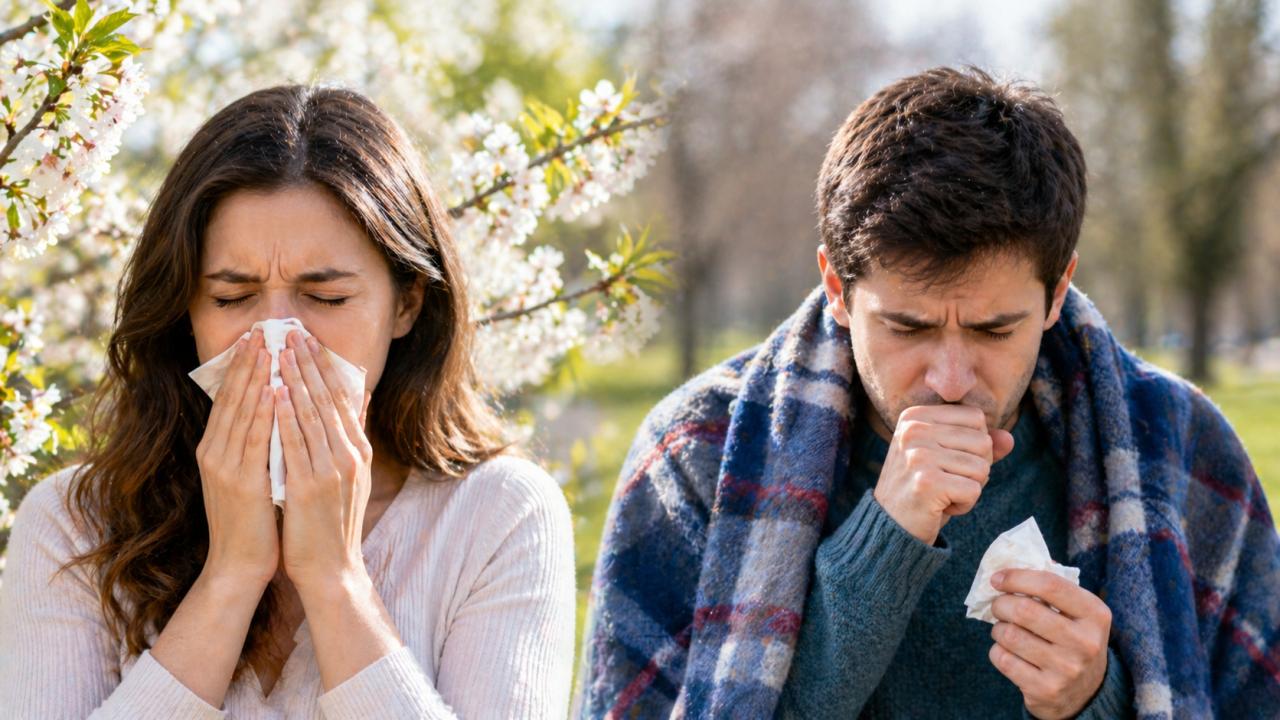
Spring allergy is an allergic reaction that occurs when the immune system perceives pollen from trees, grass, and plants as harmful. The common cold, on the other hand, is an upper respiratory tract infection caused by viruses. Correctly distinguishing between these two conditions is important for determining appropriate treatment and prevention methods.
The Duration of Symptoms Is Different
Since the common cold is usually caused by viruses, symptoms often resolve on their own within 7 to 10 days. In spring allergies, complaints may persist for weeks or even months. Symptoms become more noticeable especially during periods when pollen levels are high.
The Presence of Fever Is an Important Clue
In the common cold, mild fever, fatigue, and general weakness are common symptoms. In spring allergies, fever is usually not present. The presence of fever often indicates an infection.
Itching Is More Common in Allergies
One of the most distinctive signs of spring allergy is itching in the nose, eyes, and throat. Redness and watering of the eyes are also frequently seen due to the allergic reaction. In the common cold, itching is usually not a prominent symptom.
Nasal Discharge Differs
In allergies, nasal discharge is usually clear and watery. In the common cold, it may become thicker and turn yellow or green in the following days.
Sneezing Fits Are More Pronounced in Allergies
People with spring allergies may experience repeated sneezing fits. This is especially noticeable in the morning or when outdoors.
Sore Throat and Muscle Pain Are More Common in Infections
In the common cold, sore throat, muscle pain, and general fatigue are more frequently observed. In spring allergies, such systemic symptoms are usually not present.
What Can Be Done to Prevent Spring Allergy?
Since pollen levels increase during the spring, taking certain precautions may help reduce symptoms.
- Avoid staying outdoors for long periods during times when pollen levels are high
- Change clothes and take a shower after returning home
- Do not keep windows open for long periods, especially in the morning
- Use sunglasses to protect the eyes from pollen
- Use allergy medications regularly as recommended by a doctor
If symptoms persist for a long time, affect daily life, or recur frequently, it is important to consult a specialist. With the correct diagnosis, the effects of both spring allergy and the common cold can be effectively managed.
Share on Social Media
The development of this content was contributed by the Biruni University Hospital Board. The content of the page is for informational purposes only. The page content does not include elements intended for therapeutic health services. For diagnosis and treatment, please consult your physician.