
 TR
 ES
 FR
 AR
 RU
Tuberculosis (TB): Symptoms, Transmission Routes, and Prevention Guide
Tuberculosis, commonly known as “TB,” is a contagious infectious disease that primarily affects the lungs. Although it is treatable today, it continues to be a significant public health issue worldwide. Experts emphasize that early detection of the disease and timely initiation of treatment are critical for both individual and public health.
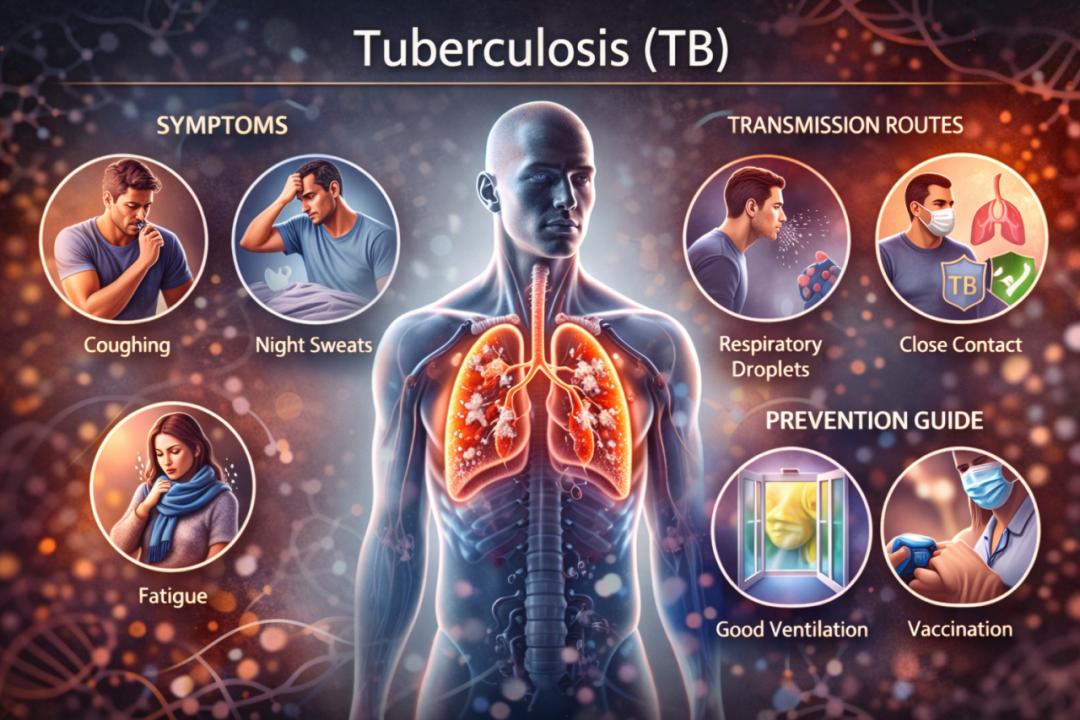
What Is Tuberculosis?
Tuberculosis is an infection caused by the bacterium Mycobacterium tuberculosis. Although it most commonly affects the lungs, it can also involve other organs such as lymph nodes, bones, kidneys, and the brain. The disease usually progresses slowly, and symptoms appear over time.
How Is It Transmitted?
Tuberculosis is transmitted through the air. Microscopic droplets released into the air when an infected person coughs, sneezes, or talks can be inhaled by healthy individuals, leading to infection.
Factors that increase the risk of transmission include:
- Spending long periods in closed and crowded environments
- A weakened immune system
- Poor nutrition and chronic diseases
- Smoking
What Are the Symptoms?
The symptoms of tuberculosis often progress silently and can be confused with other diseases. Experts emphasize that prolonged complaints should be taken seriously.
Most common symptoms:
- Cough lasting longer than 2 to 3 weeks
- Blood in sputum
- Chest pain
- Night sweats
- Loss of appetite and weight loss
- Fatigue and fever
If one or more of these symptoms are present, a healthcare provider should be consulted without delay.
Who Is at Risk?
Tuberculosis can occur in anyone, but the risk is higher in certain groups:
- Individuals with weakened immune systems
- People with chronic conditions such as diabetes or kidney disease
- Those who use tobacco or alcohol
- Individuals living in crowded and enclosed environments
- The elderly and children
Diagnosis and Treatment Process
Tuberculosis is diagnosed through chest imaging, sputum tests, and laboratory examinations. Early diagnosis is the most important step in preventing the spread of the disease.
The treatment process usually lasts at least 6 months and requires the regular use of multiple medications. Experts warn that discontinuing treatment early can lead to recurrence of the disease and drug resistance.
Prevention Methods
Tuberculosis can be prevented. Basic measures include:
- BCG vaccination administered during infancy
- Regular ventilation of indoor spaces
- Covering the mouth and nose while coughing
- Maintaining personal hygiene
- Seeking medical attention without delay when symptoms appear
Global and National Situation
According to current data shared by experts, more than 10 million people worldwide develop tuberculosis each year. In Türkiye, the incidence rate is approximately 14 per 100,000 people. These figures indicate that although the disease is under control, it has not been completely eliminated.
Why Is Early Diagnosis Important?
Tuberculosis is a disease that can be completely treated when detected at an early stage. However, in delayed cases, both the risk of disease progression and the likelihood of transmission to others increase.
Experts emphasize that persistent cough should not be underestimated and that early consultation can save lives.
Tuberculosis can be controlled with accurate diagnosis and consistent treatment. However, lack of awareness and delayed consultation may lead to the spread of the disease. Therefore, recognizing the symptoms, understanding risk factors, and seeking timely medical care are of great importance.
It should not be forgotten that; early diagnosis protects both the individual and society.
Share on Social Media
The development of this content was contributed by the Biruni University Hospital Board. The content of the page is for informational purposes only. The page content does not include elements intended for therapeutic health services. For diagnosis and treatment, please consult your physician.