 TR
 ES
 FR
 AR
 RU
What Is Measles? Why Is Vaccination Important?
According to specialists at Biruni University Faculty of Medicine Hospital, measles should not be regarded as a simple childhood illness due to its high contagiousness and risk of serious complications. Experts emphasize that this viral infection, which spreads easily through the respiratory route, can have a severe course especially in unvaccinated individuals and poses a significant risk to public health.
What Is Measles and How Does It Spread?
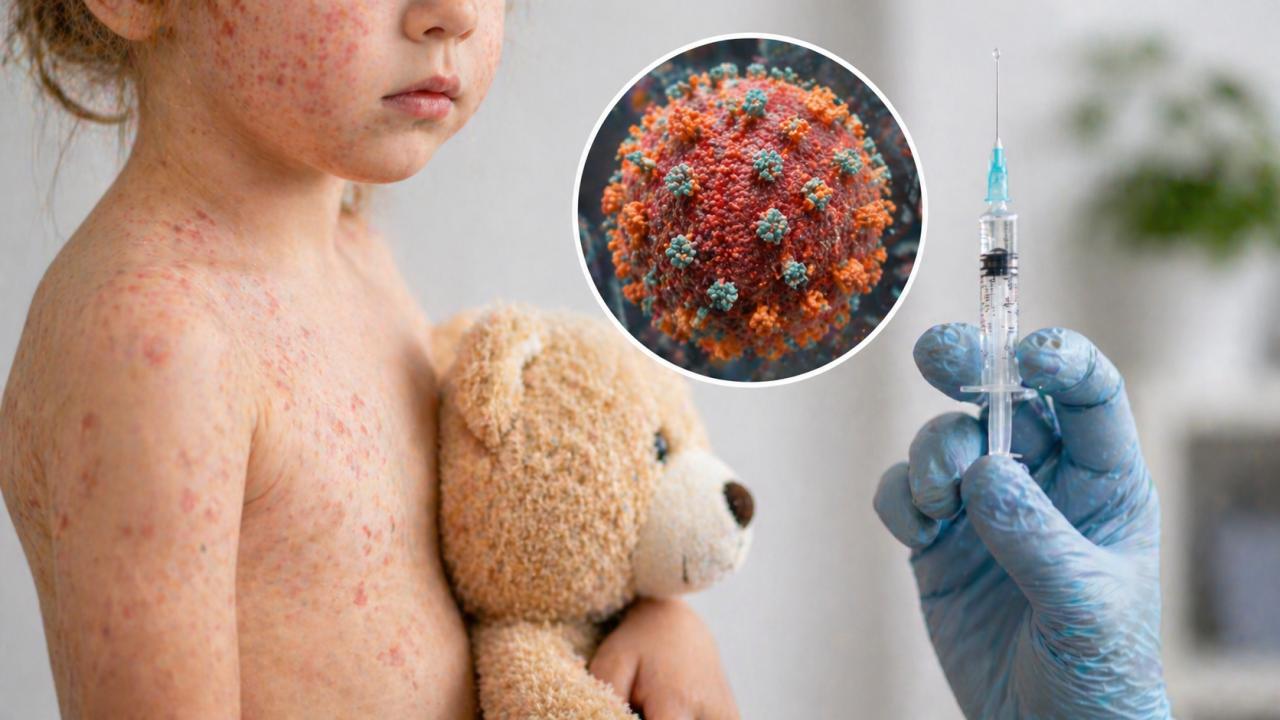
Measles is a highly contagious disease caused by a virus called morbillivirus. It spreads through droplets released into the air when an infected person coughs, sneezes, or talks. Since the virus can remain alive in the air and on surfaces for a period of time, simply being in the same environment may be enough for transmission.
What Are the Symptoms?
Measles usually begins with a high fever. This is followed by symptoms such as cough, runny nose, redness in the eyes, and sensitivity to light. In the later stages of the disease, red rashes appear, starting behind the ears and spreading across the body. Small white spots inside the mouth, known as Koplik spots, are also characteristic findings of the disease.
Who Is at Higher Risk?
Unvaccinated children, individuals with weakened immune systems, pregnant individuals, and those with chronic illnesses are at higher risk for measles. In addition, the disease can spread more rapidly among people living in crowded environments.
Why Are Complications Serious?
Measles may not be limited to a rash alone. It can lead to complications such as middle ear infection, pneumonia, and diarrhea. More rarely, severe conditions such as encephalitis and fatal neurological diseases that may appear years later can occur.
Is There a Treatment?
There is no specific antiviral treatment for measles. Treatment is generally aimed at relieving symptoms. Adequate fluid intake, rest, fever control, and supportive care when necessary are applied. In cases where complications develop, hospital treatment may be required.
Why Is Vaccination Crucial?
The most effective way to prevent measles is vaccination. The measles vaccine is routinely administered during childhood and provides a high level of protection. Achieving sufficient vaccination coverage in the community is critical for preventing the spread of the disease.
What Should Be Done for Prevention?
The vaccination schedule should be followed, and any missing vaccinations should be completed. Contact with individuals showing symptoms of the disease should be avoided, and hygiene rules should be observed. Especially during outbreak periods, it is important to avoid crowded environments and take measures to support the immune system.
When Should You See a Doctor?
If symptoms such as high fever, rash, cough, and eye redness appear together, a healthcare provider should be consulted without delay. Early evaluation helps both to control the disease and to prevent its spread.
Measles is a disease that can be largely prevented with proper precautions and timely vaccination. Individual awareness and a sense of responsibility toward public health are the most effective tools in preventing the spread of this infection.
Share on Social Media
The development of this content was contributed by the Biruni University Hospital Board. The content of the page is for informational purposes only. The page content does not include elements intended for therapeutic health services. For diagnosis and treatment, please consult your physician.