
 TR
TR ES
ES FR
FR AR
AR RU
RUWhat Is the Thyroid Gland? What Are Thyroid Disorders?
The thyroid gland is a butterfly shaped endocrine organ located at the front of the neck. It produces hormones that regulate the body's energy use, metabolic rate, heart function, body temperature, and many other essential processes. Proper thyroid function plays a vital role in maintaining overall health. Disorders affecting the thyroid gland can develop in a variety of ways.
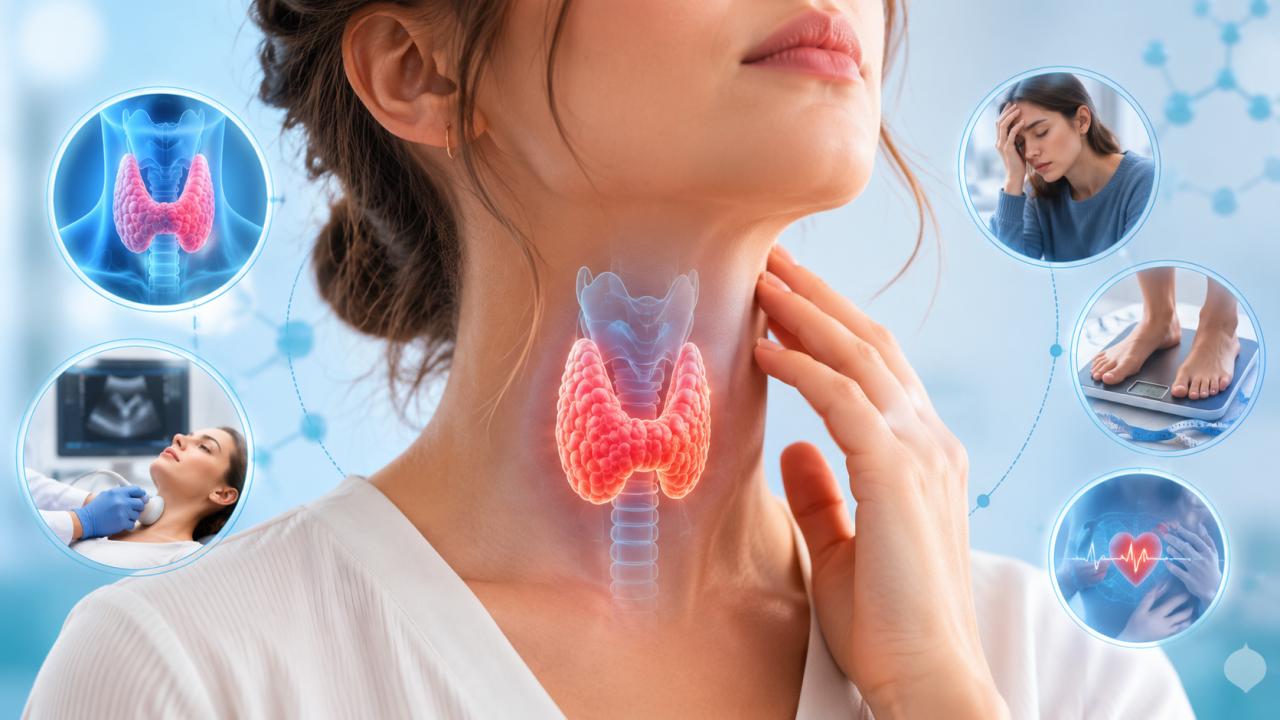
Hypothyroidism (Underactive Thyroid)
Hypothyroidism occurs when the thyroid gland does not produce enough thyroid hormones. This causes the body's metabolism to slow down.
Symptoms:
- Fatigue and low energy
- Tendency to gain weight
- Sensitivity to cold
- Constipation
- Dry skin
- Hair loss
- Memory problems
- Difficulty concentrating
- Depressed mood
Hyperthyroidism (Overactive Thyroid)
Hyperthyroidism occurs when the thyroid gland produces more thyroid hormones than the body needs. This causes the metabolism to speed up.
Symptoms:
- Heart palpitations
- Unintentional weight loss
- Excessive sweating
- Irritability and restlessness
- Hand tremors
- Sleep problems
- Heat intolerance
Thyroid Nodules
Thyroid nodules are lumps or growths that develop in the thyroid gland. Most thyroid nodules are benign, but some cases require further evaluation.
Symptoms:
- Swelling in the neck
- Difficulty swallowing
- Hoarseness
- Difficulty breathing
Goiter
Goiter is an enlargement of the thyroid gland. It may develop due to iodine deficiency, thyroid nodules, or certain hormonal disorders.
Thyroid Cancer
Thyroid cancer may not cause symptoms in its early stages. A firm lump in the neck, hoarseness, difficulty swallowing, or an enlarging swelling in the neck should be evaluated by a healthcare professional.
Who Is More Likely to Develop Thyroid Disease?
Certain individuals have a higher risk of developing thyroid disorders.
- Women
- People with a family history of thyroid disease
- Individuals with autoimmune diseases
- Older adults
- People who have received radiation therapy to the neck
How Are Thyroid Diseases Diagnosed?
In addition to evaluating the patient's symptoms and physical examination findings, various diagnostic tests are used to diagnose thyroid disorders.
Diagnostic methods include:
- Physical examination
- TSH test
- Free T3 and Free T4 hormone tests
- Thyroid antibody tests
- Thyroid ultrasound
- Thyroid scintigraphy
- Fine needle aspiration biopsy when necessary
How Can You Protect Your Thyroid Health?
Healthy lifestyle habits play an important role in maintaining thyroid health. A balanced and nutritious diet helps ensure adequate intake of essential minerals such as iodine, selenium, zinc, and iron, all of which are involved in thyroid hormone production. While using iodized salt supports normal thyroid function, it is important to remember that excessive iodine intake may trigger certain thyroid disorders.
Smoking is known to have negative effects on both the structure and function of the thyroid gland, so avoiding tobacco use is strongly recommended. Individuals with a family history of thyroid disease should have regular health checkups and should not ignore possible symptoms. Those who have been diagnosed with a thyroid disorder should take their medications as prescribed and attend regular follow up appointments.
When Should You See a Doctor?
You should consult an internal medicine or endocrinology specialist if you experience one or more of the following symptoms:
- Unexplained changes in weight
- Persistent fatigue and low energy
- Heart palpitations
- Swelling in the neck
- Hoarseness
- Increased hair loss
- Excessive sensitivity to cold or excessive sweating
- Difficulty concentrating
Although thyroid disorders are common, they can often be effectively managed with early diagnosis and regular follow up. Symptoms such as persistent fatigue, unexplained weight changes, hair loss, or swelling in the neck should not be dismissed as minor concerns. Medical evaluation should be sought whenever necessary. Regular health screenings and healthy lifestyle habits play an important role in maintaining thyroid health.
Share on Social Media
The development of this content was contributed by the Biruni University Hospital Board. The content of the page is for informational purposes only. The page content does not include elements intended for therapeutic health services. For diagnosis and treatment, please consult your physician.