
 TR
TR ES
ES FR
FR AR
AR RU
RUWhat You Need to Know About Milk Consumption
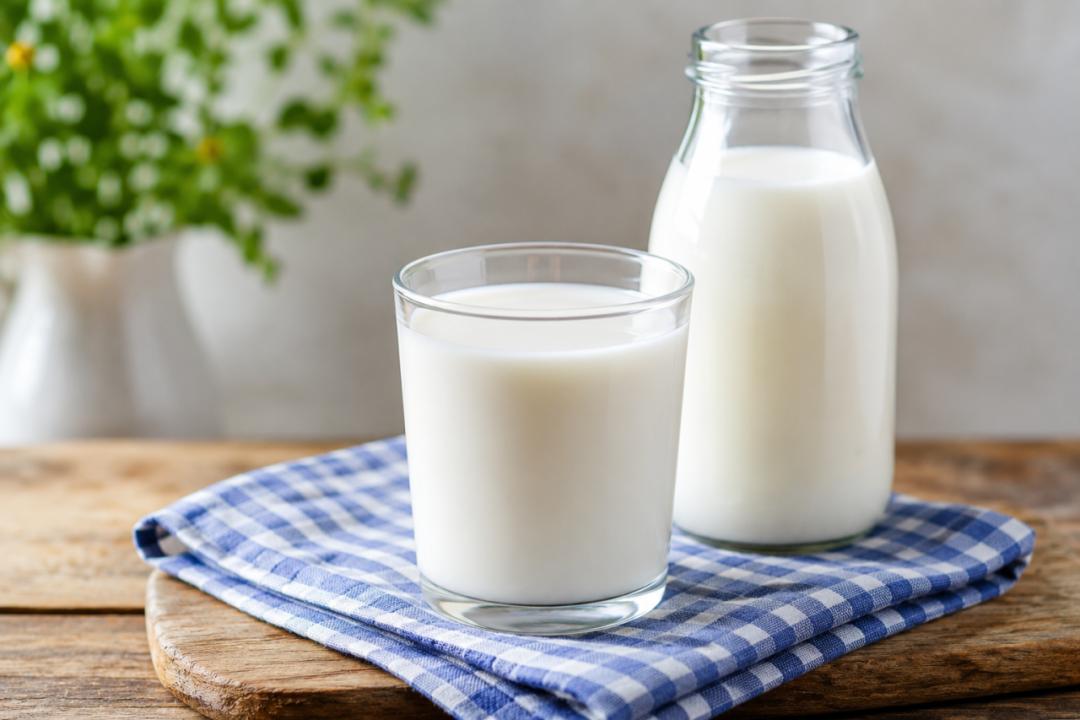
Milk is one of the key components of a healthy diet thanks to its high quality protein, calcium, phosphorus, potassium, and vitamin content. Specialists at Biruni University Faculty of Medicine Hospital highlighted the effects of milk and dairy products on health and shared insights on the benefits of conscious consumption.
Why Is Milk Important?
Milk naturally contains many essential nutrients the body needs. Thanks to its rich calcium and protein content, it supports the maintenance of bone, teeth, and muscle health. It also provides important nutrients such as vitamin B12, riboflavin, and phosphorus.
Milk Consumption During Childhood
Childhood and adolescence are the periods when bone development is most rapid. Adequate consumption of milk and dairy products during this time can support growth, development, and bone health. Experts emphasize the importance of consuming age-appropriate amounts of milk and dairy products for children.
Importance of Milk Consumption in Adults
In adulthood, milk and dairy products not only help maintain bone health but also contribute to meeting daily protein requirements. Especially for individuals who exercise regularly, milk can support the preservation of muscle mass.
Calcium Support in Older Age
As age increases, bone density may decrease. Therefore, adequate calcium and protein intake becomes even more important in later years. Milk, yogurt, and cheese can help meet the daily nutritional needs of older individuals.
Should People with Lactose Intolerance Avoid Milk Completely?
People with lactose intolerance may experience digestive discomfort after consuming milk. However, experts state that this does not necessarily require completely eliminating milk and dairy products. Lactose-free milk and fermented dairy products can be suitable alternatives for many individuals.
Do Plant-Based Drinks Replace Milk?
Plant-based beverages such as almond, oat, and soy drinks have become increasingly popular and may serve as alternatives for some individuals. However, experts highlight that these products are not nutritionally equivalent to milk in terms of protein, calcium, and vitamin content. Therefore, it is important to carefully review product labels when choosing plant-based drinks.
Things to Consider When Consuming Milk
- Choose products from reliable and regulated producers.
- Always check expiration dates.
- Ensure the cold chain is maintained.
- Store opened milk properly and consume it within a short time.
- Daily consumption should be adjusted according to age, health status, and individual needs.
Experts from Biruni University Faculty of Medicine Hospital emphasize that milk and dairy products are an important part of a balanced diet and that conscious and adequate consumption can support health at every stage of life.
Share on Social Media
The development of this content was contributed by the Biruni University Hospital Board. The content of the page is for informational purposes only. The page content does not include elements intended for therapeutic health services. For diagnosis and treatment, please consult your physician.